
Die Koffermit den Rillen
The luggage with the grooves.
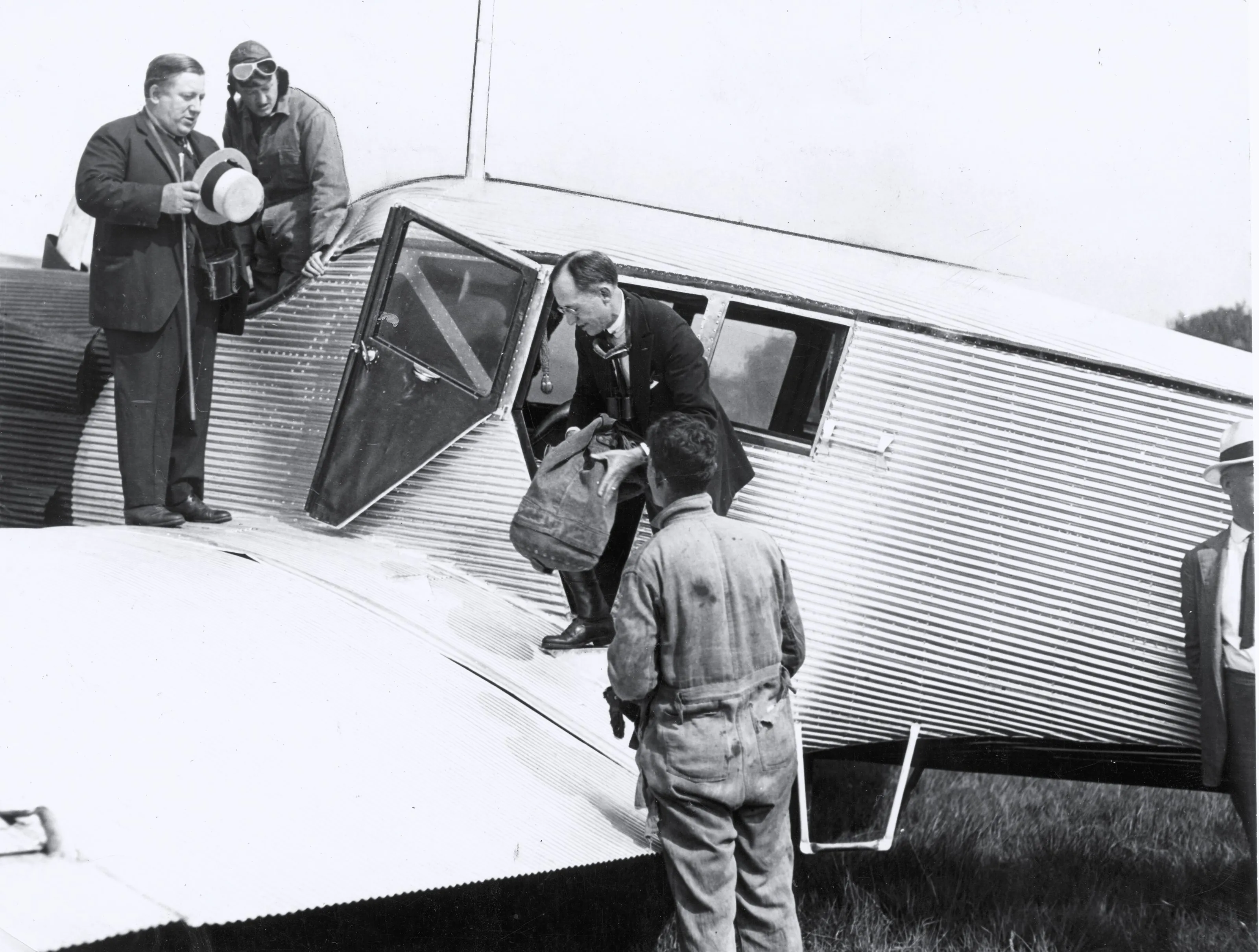
29 July 1920Mail is handed into a Junkers-Larsen JL-6, the American F 13, for a coast-to-coast pathfinding flight.Smithsonian National Postal Museum
RIMOWA pressed the airliner’s grooves into an aluminium suitcase.
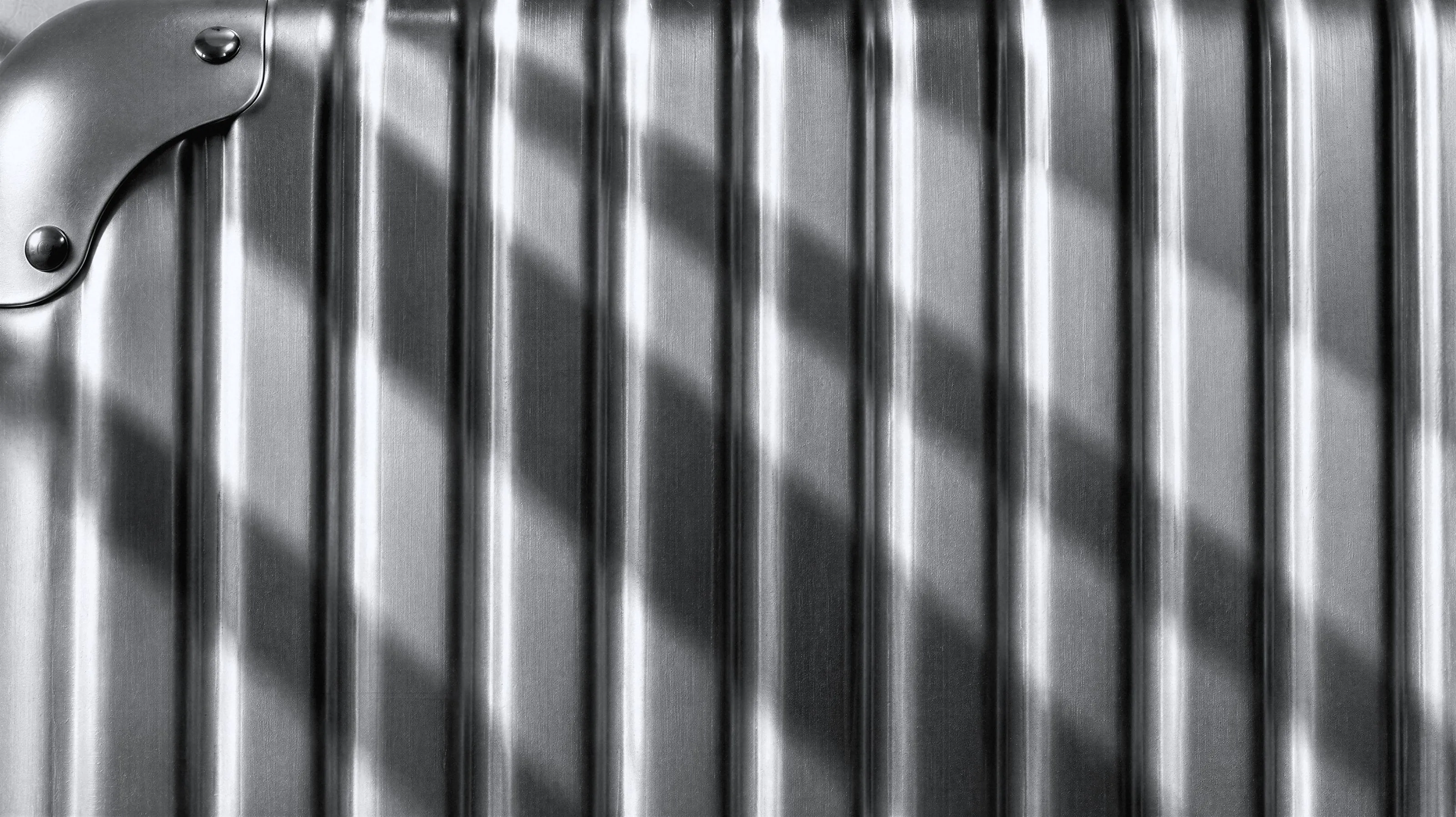
The ridges stiffen thin metal without adding weight: what let a 1919 airliner be built of aluminium lets a suitcase be carried.InhaltContents
One surface in seven chapters, from a 1919 airliner to the cases, bags and objects that carry it now.
- IDas FlugzeugThe aircraft1 Die Flüge, 1920–1928 · 2 Die Kabine · Tempelhof, 1927
- IIDie RilleThe groove1–2 Das Prinzip, the 1920 patent · 3 Der erste Koffer, 1950
- IIIKölnCologne1 Zwei Spitzen: the monogram and the cathedral
- IVDas OriginalThe collection1 Fünf Größen · 2 Anatomie · 3 Oberflächen
- VDie FamilieFive collectionsOriginal · Classic · Hybrid · Essential · Distinct
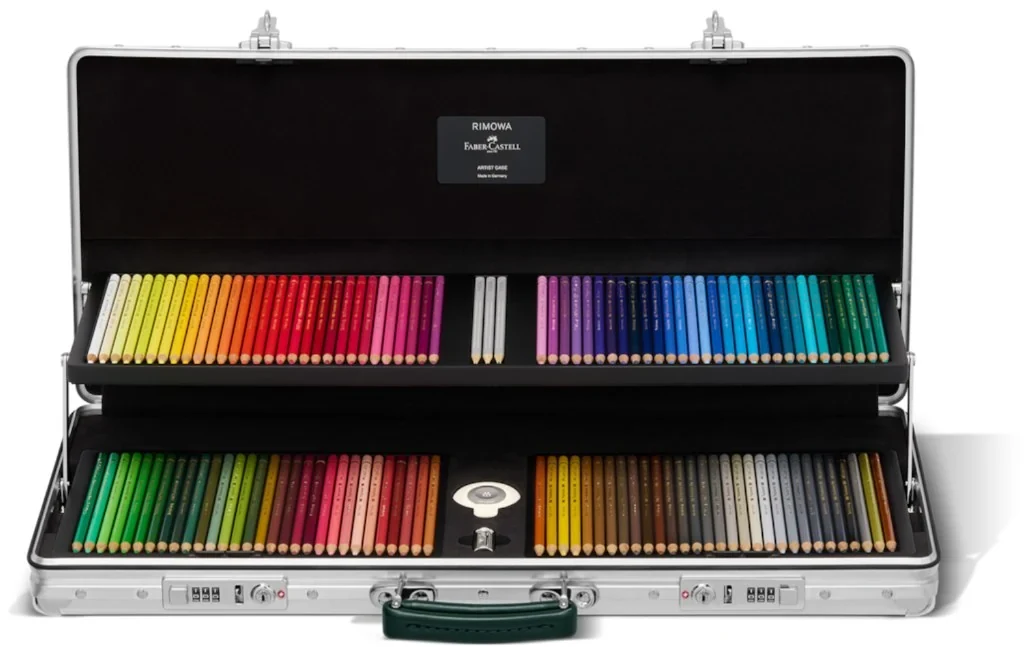
- VIÜberallThe grooves, elsewhereArtist Case · iPhone case · backpack · card, jewellery and watch cases
- VIIEin LebenA lifetime1 Die Garantie · 2 Spuren · 3 Wo er war · 4 A Journey Into Art
Das FlugzeugThe aircraft
I.1Die Flüge · The flights
25 June 1919, Dessau. The Junkers F 13 flies: the first airliner built entirely of metal. Its duralumin skin is pressed into ridges, so a thin sheet keeps its shape.
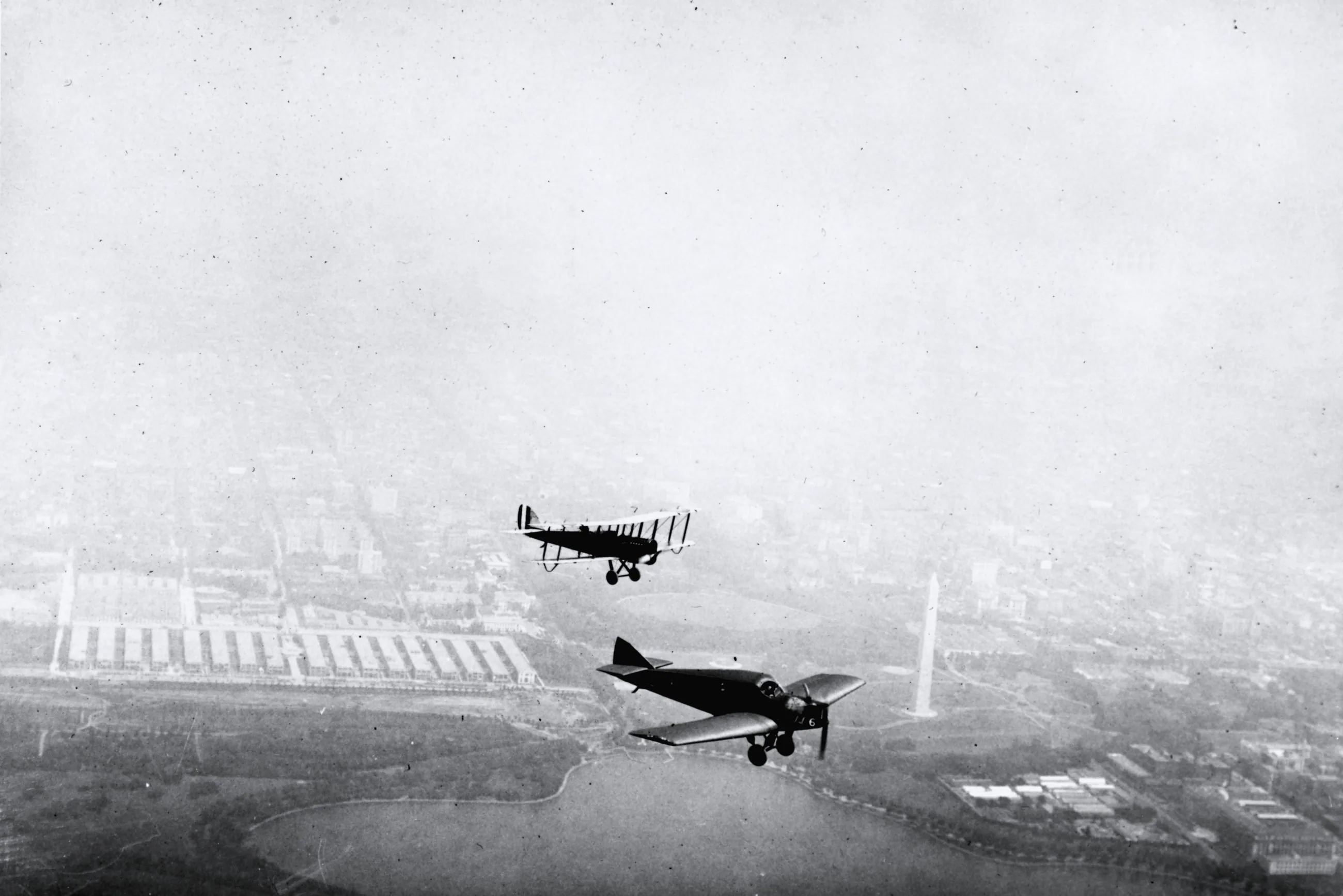
Washington, 12 June 1920A JL-6, the F 13 sold in America, flies with a DH-4 past the Washington Monument.US Navy, public domain
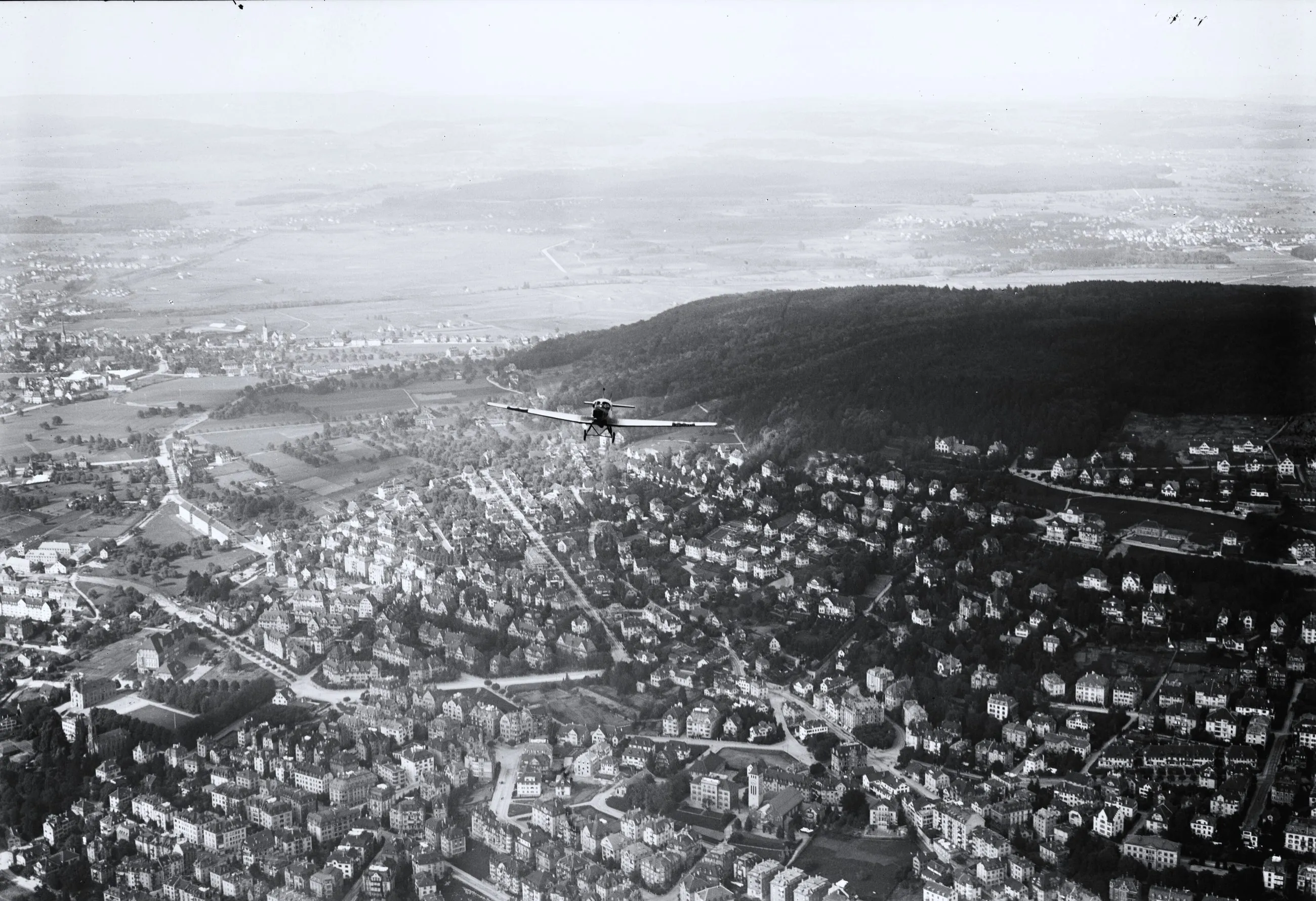
Zürich, 1925A Junkers over Oberstrass, photographed from a second aircraft.Walter Mittelholzer. ETH-Bibliothek Zürich
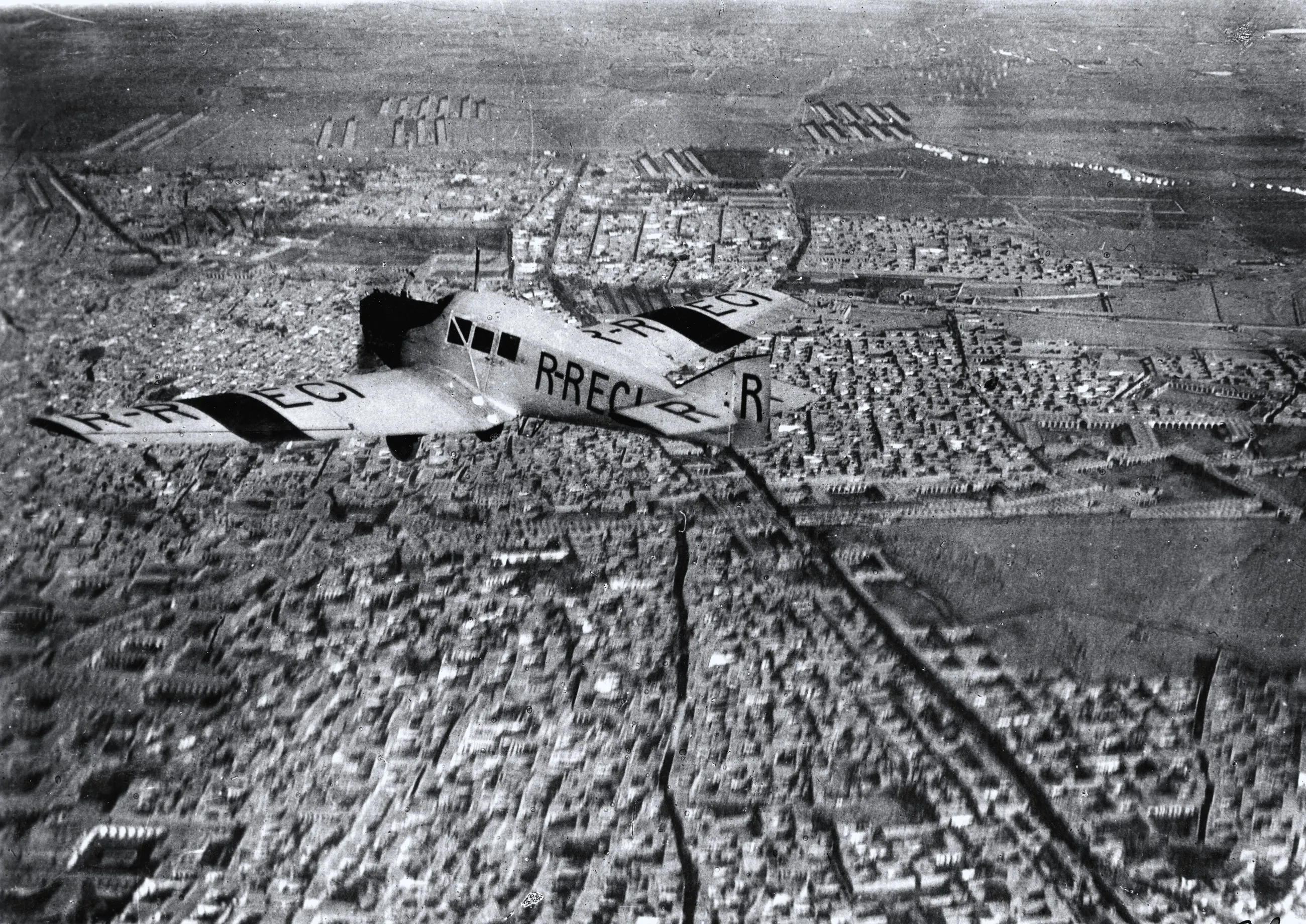
Teheran, 1924–25F 13 R-RECI over the city, during Mittelholzer’s flight to Persia.Walter Mittelholzer. ETH-Bibliothek Zürich
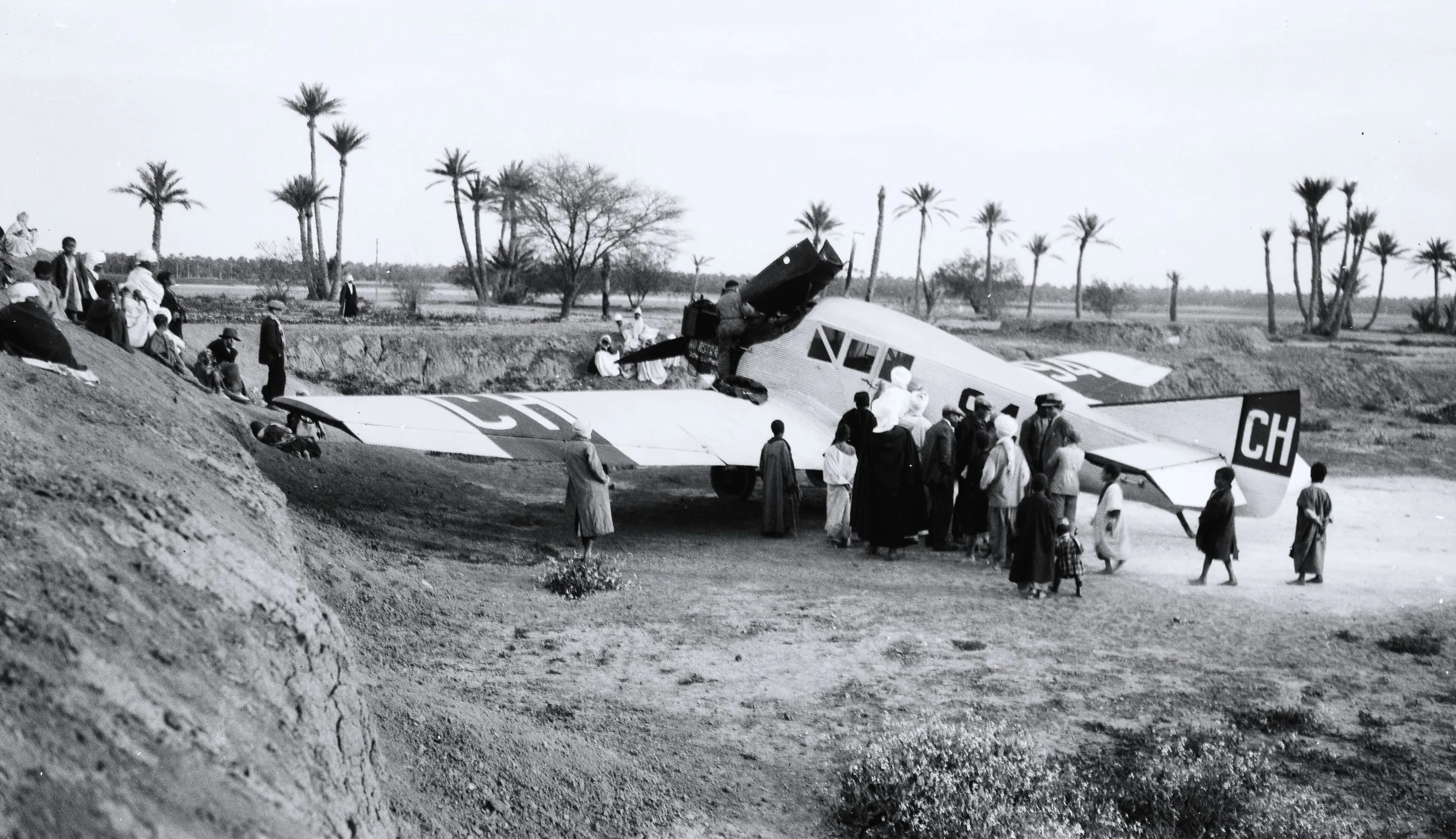
Biskra, 1928F 13 CH-94, just landed at the edge of the Sahara.Walter Mittelholzer. ETH-Bibliothek Zürich
I.2Die Kabine · The cabin
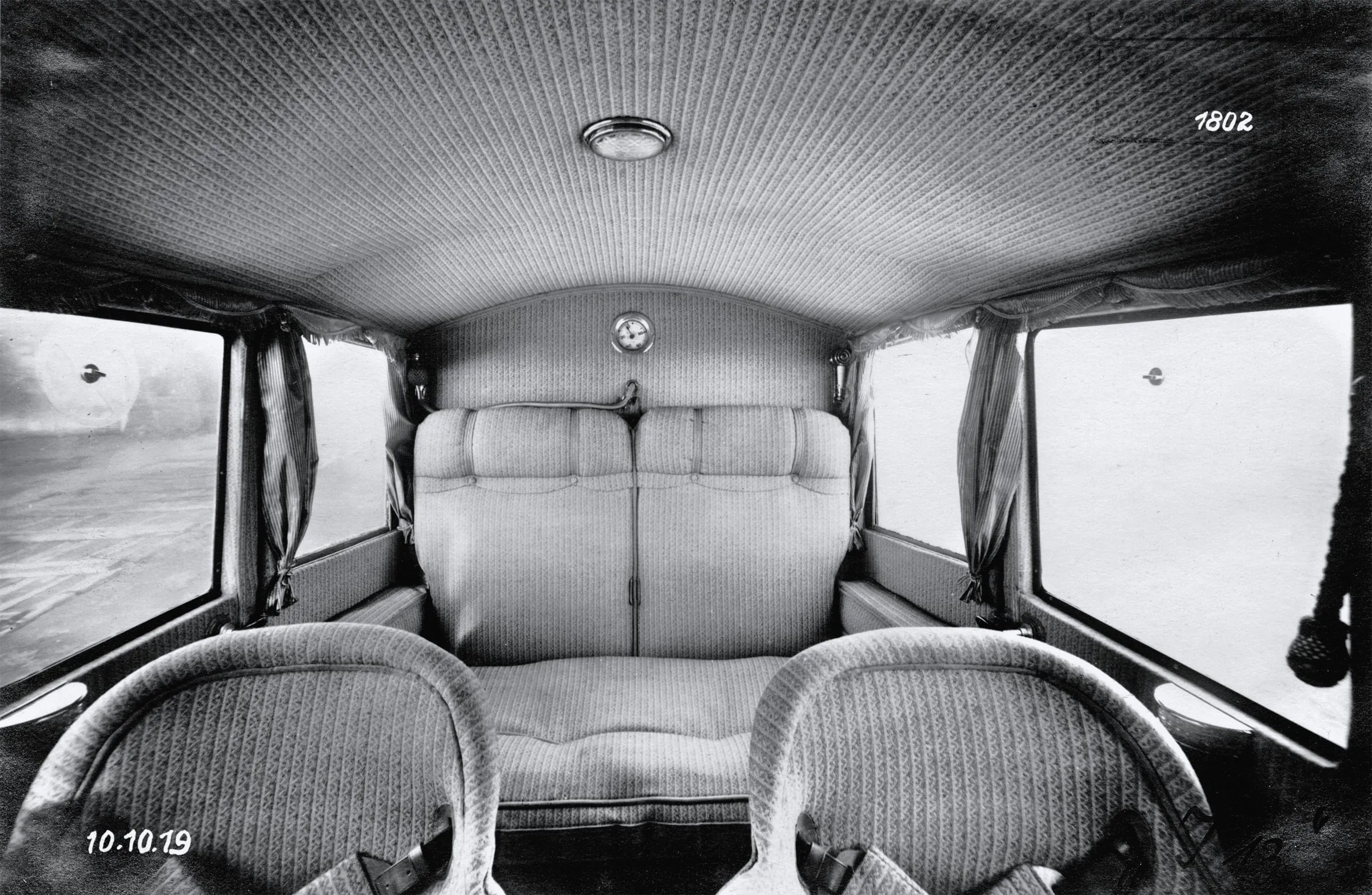
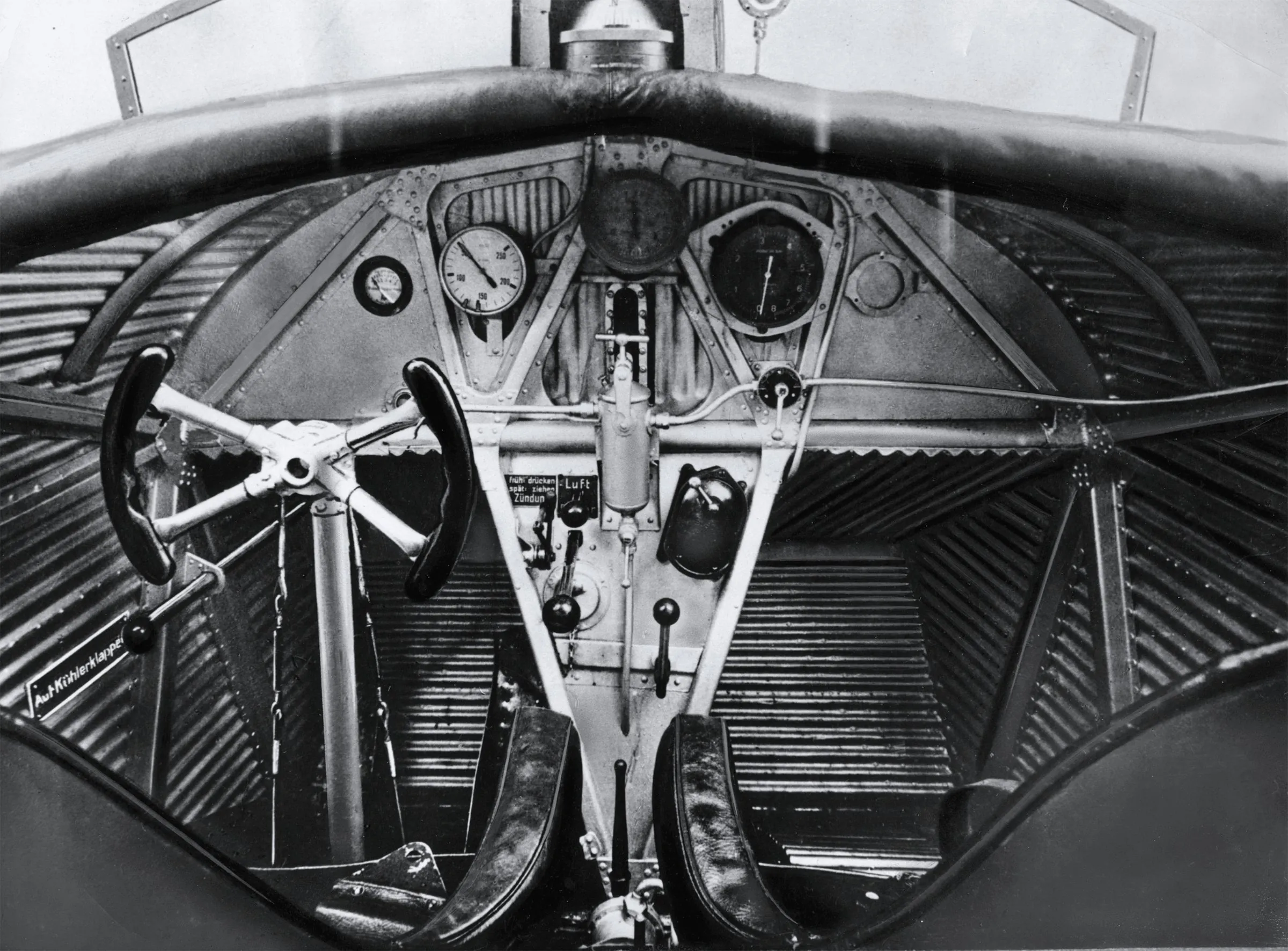
Air travel moves indoors: an enclosed cabin with windows, curtains and wicker seats. Up front, the pilots sit inside the corrugation itself.
Both photographs come from the Junkers company archive. The cabin carries the date it was photographed, 10.10.19, written on the plate.
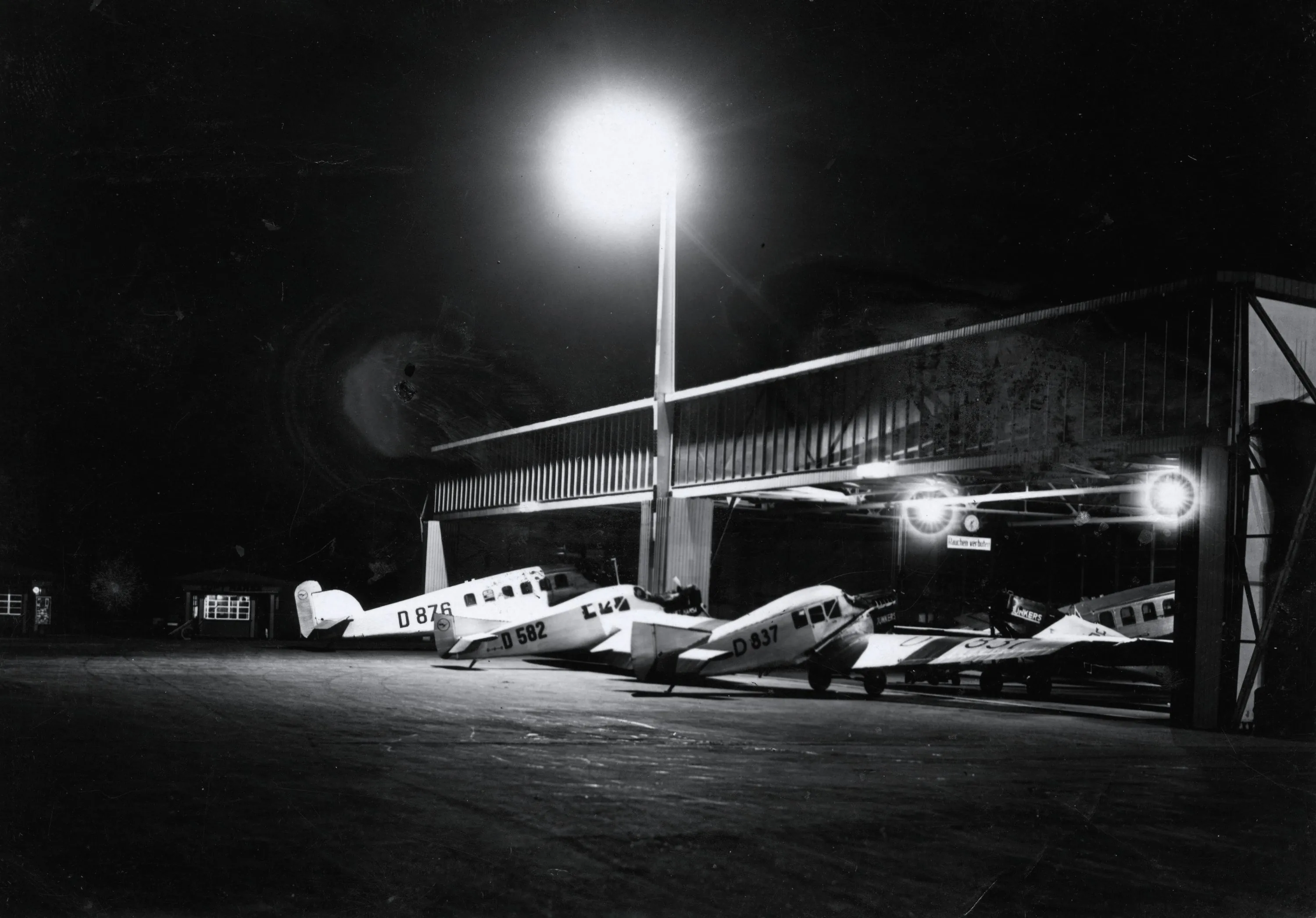
Berlin-Tempelhof, 1927Aircraft in front of a lit hangar, at night.Nationaal Archief, public domain
Die RilleThe groove
II.1–2Das Prinzip · The principle
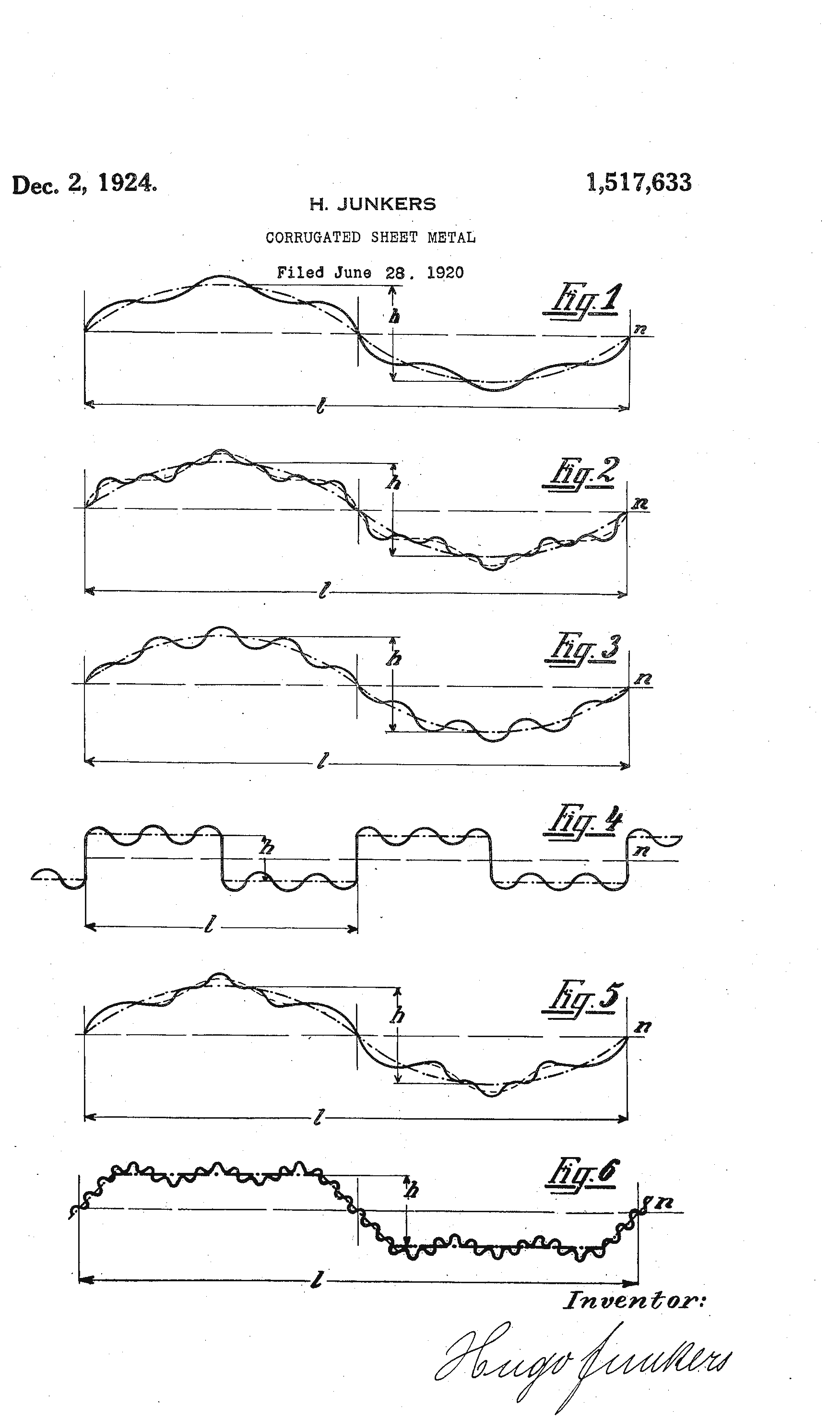
Flat, thin aluminium gives under a load. Pressed into ridges, the same sheet holds: stiffness from shape, not from weight.
Same sheet, same loadFlat above, grooved below. A drawing to show the principle, not a measurement.
28 June 1920Hugo Junkers files “Corrugated sheet metal”, the profiles of his aircraft skin.US Patent 1,517,633, granted 2 December 1924
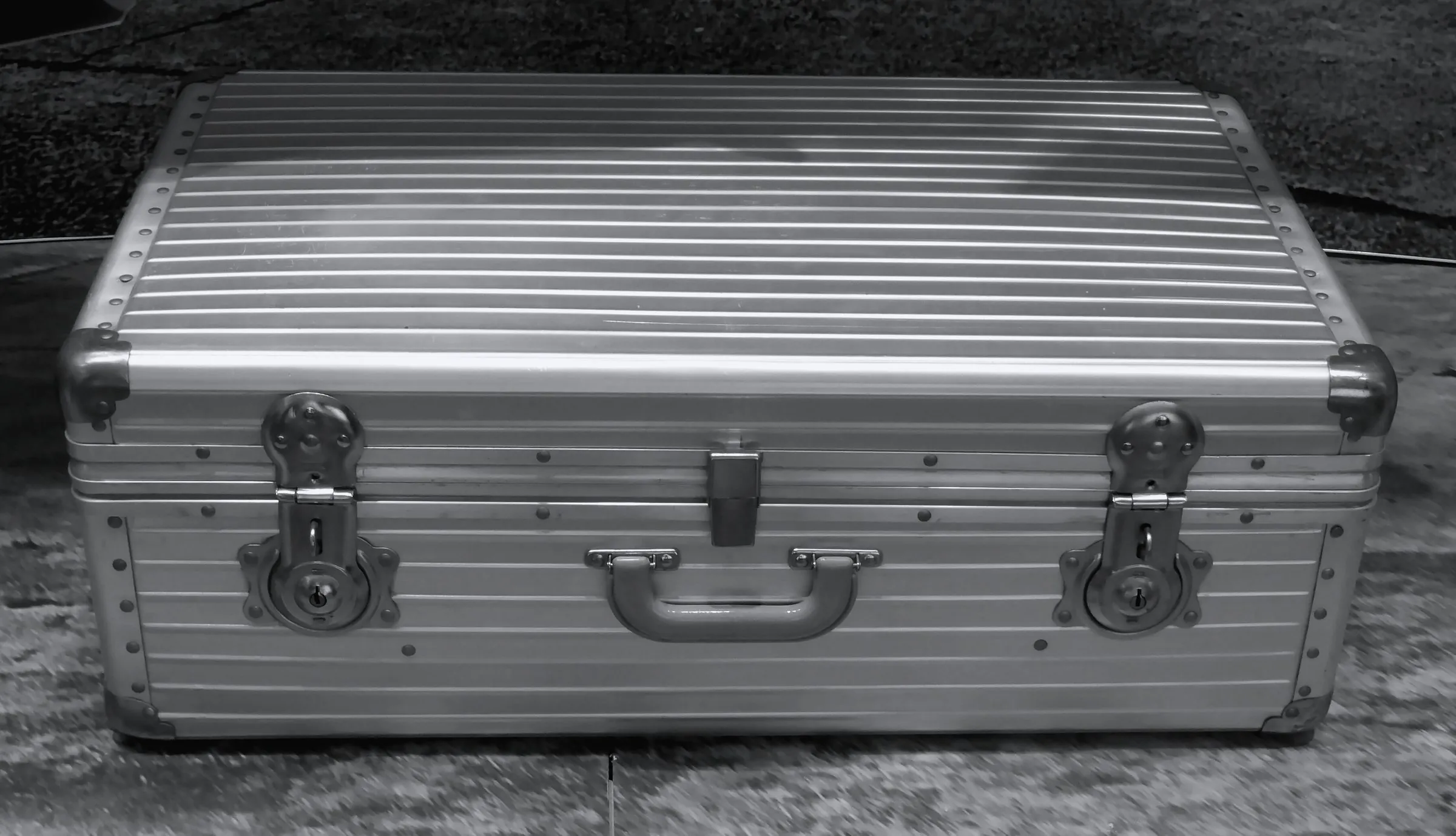
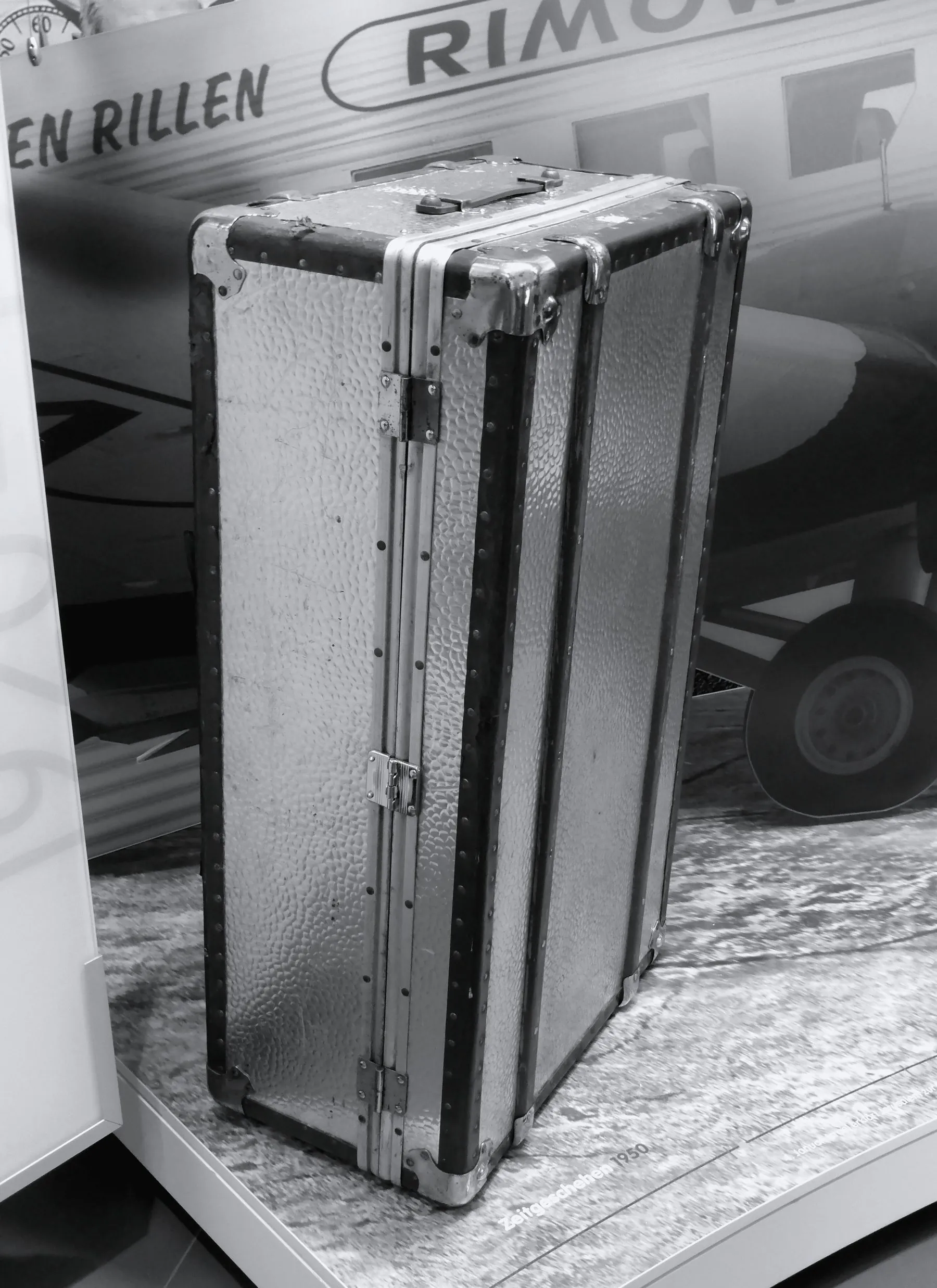
II.31950 · The first grooved case
Thirty years after the airliner, the ridges come down to the size of a suitcase. In time its slogan would name the case by its surface alone: die Koffer mit den Rillen.
On 24 December 1949 Richard Morszeck filed patent DE 835 506 for a metal case whose halves are each pressed from one sheet with parallel grooves.
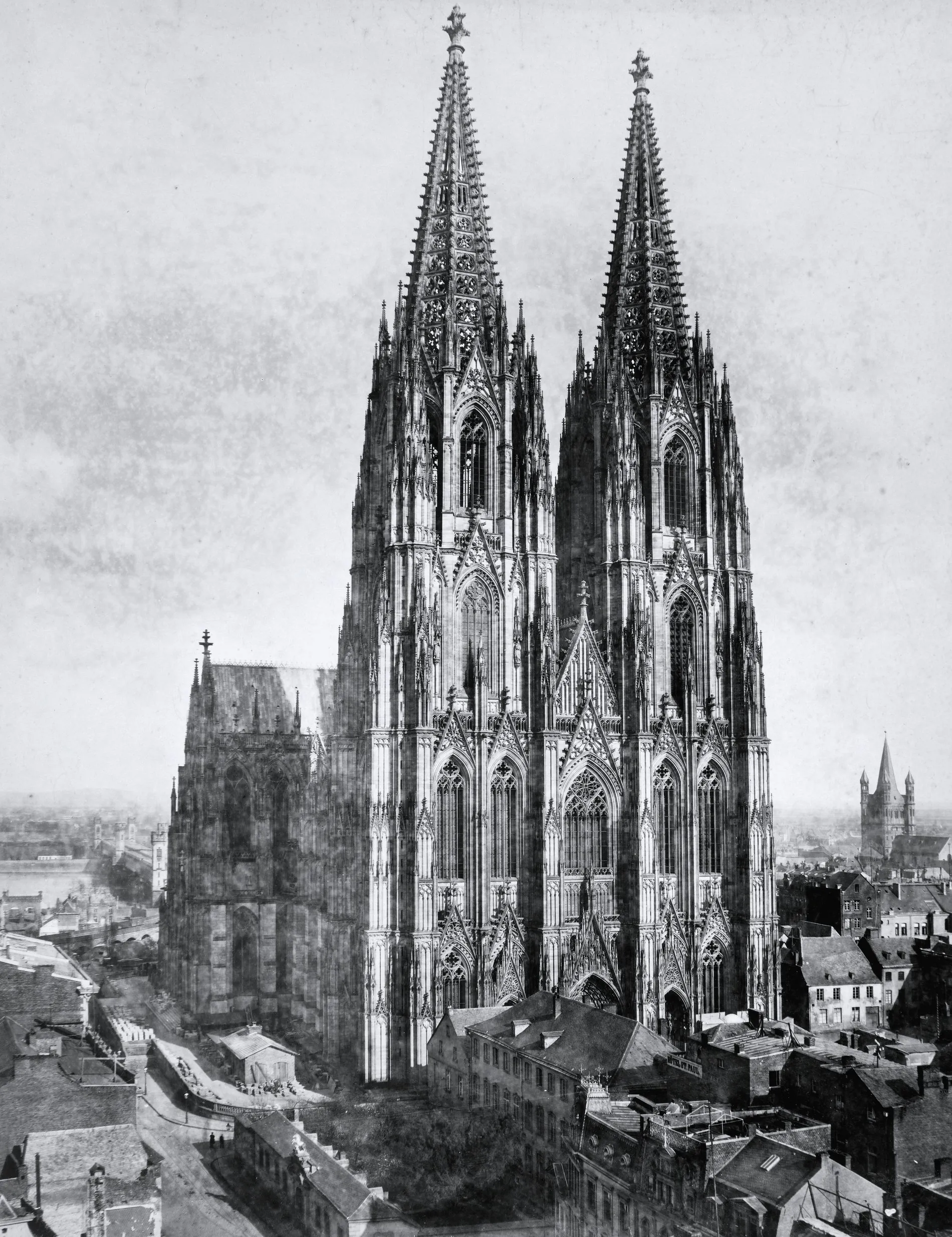
KölnCologne
III.1Zwei Spitzen · Two points
The monogram takes the soft radius of the case and lifts two points out of it: the spires of the Kölner Dom, a few streets from Bechergasse 16, where Paul Morszeck opened his workshop in 1898.
RIMOWA still builds its cases in Cologne, as well as in Pelhřimov and in Cambridge, Ontario. A case takes about 200 parts and some 90 steps.
Köln, um 1885The west front, finished in 1880 after six centuries.Anselm Schmitz
Das OriginalThe collection
IV.1Fünf Größen · Five sizes
Five sizes, one surface. Drawn here to a single scale, from the case that goes into the cabin to the trunk that goes into the hold.
Sizes, volumes and weights from rimowa.com.
Product photographs: RIMOWA.
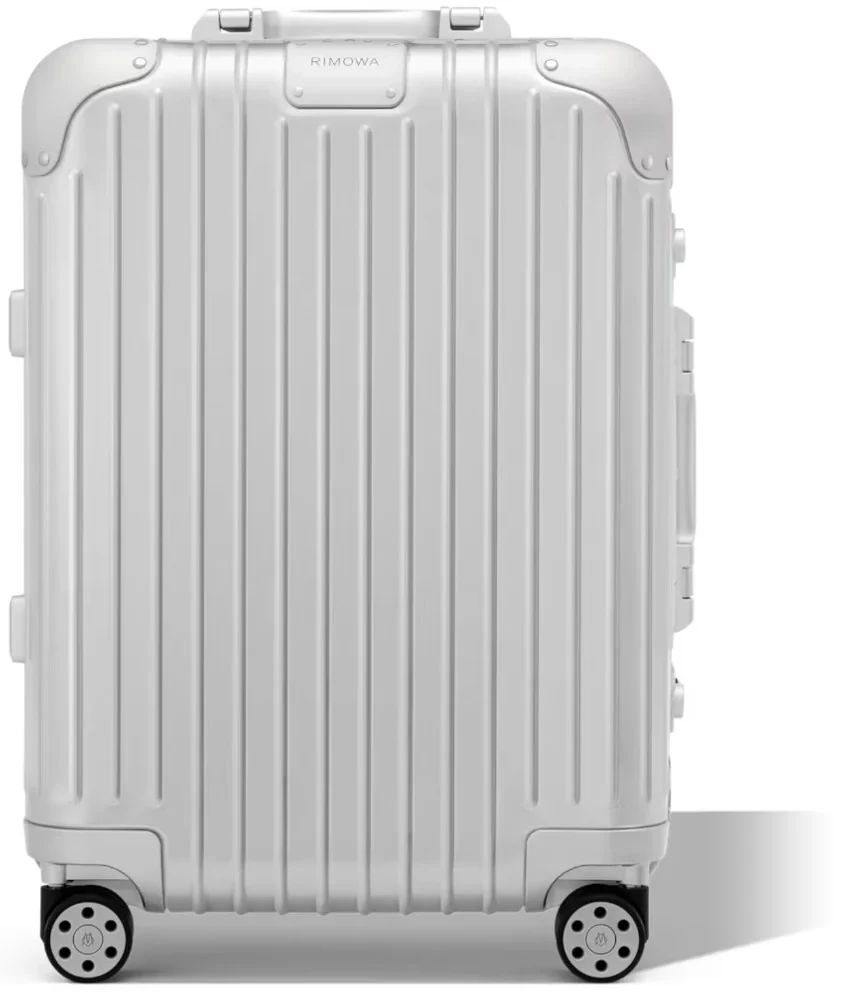 55 cm
35 L · 4.3 kg
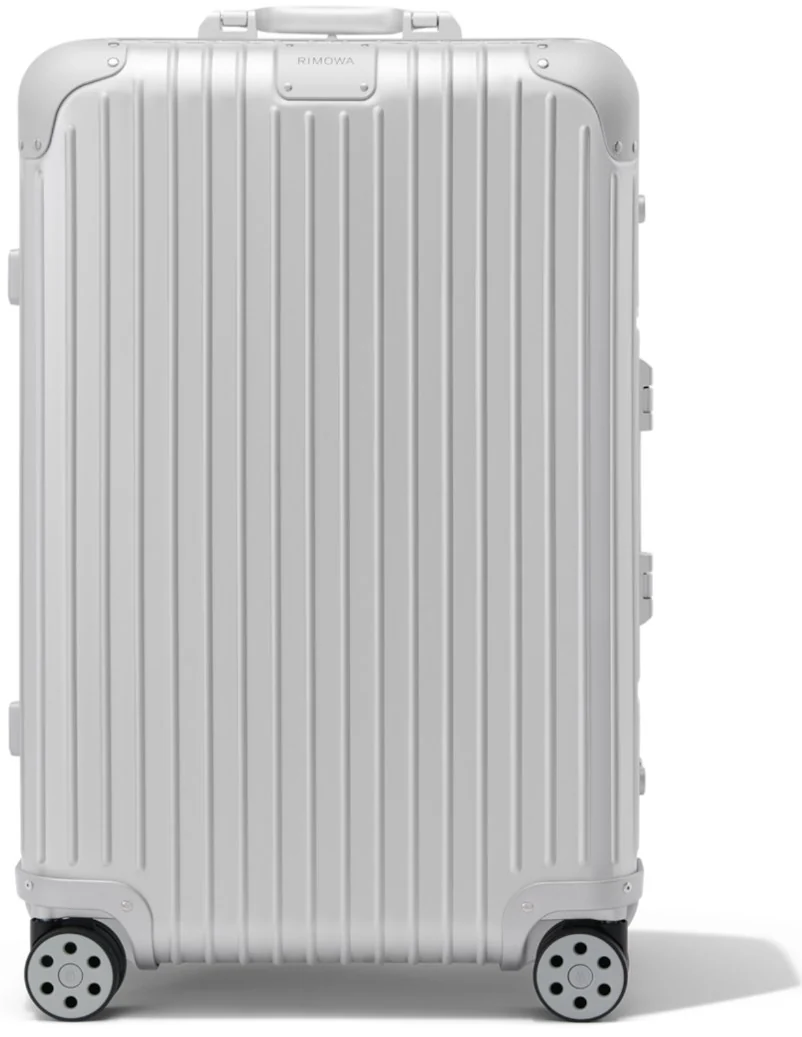 67 cm
60 L · 5.4 kg
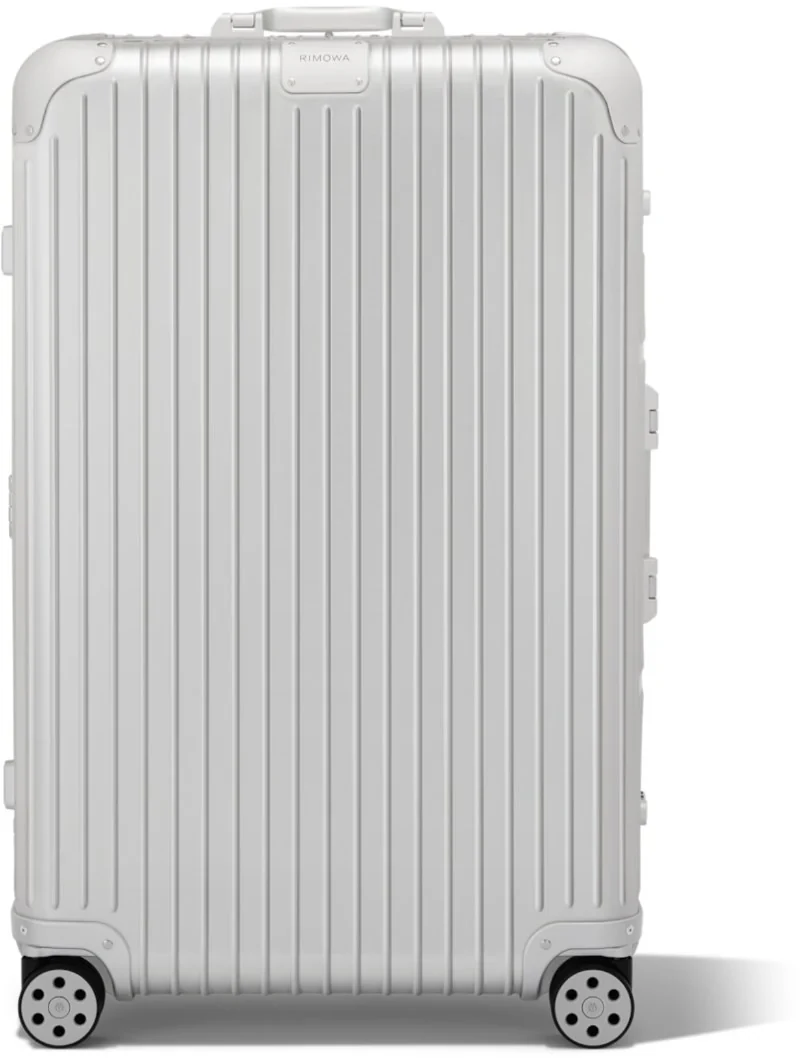 79 cm
86 L · 6.2 kg
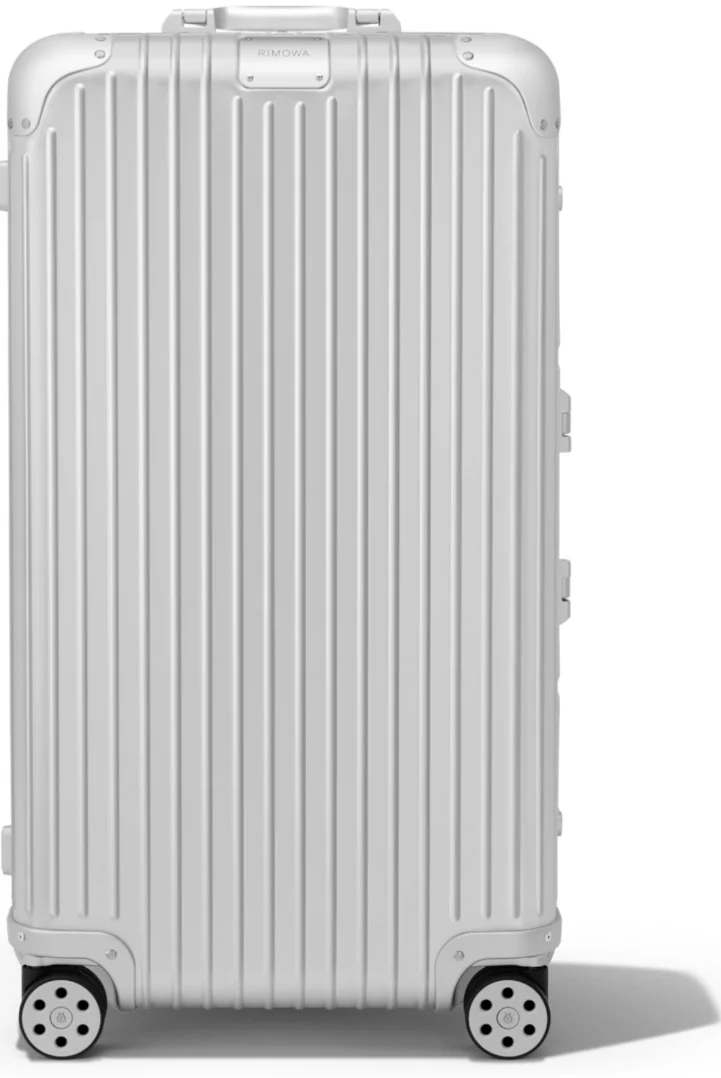 80 cm
105 L · 6.4 kg
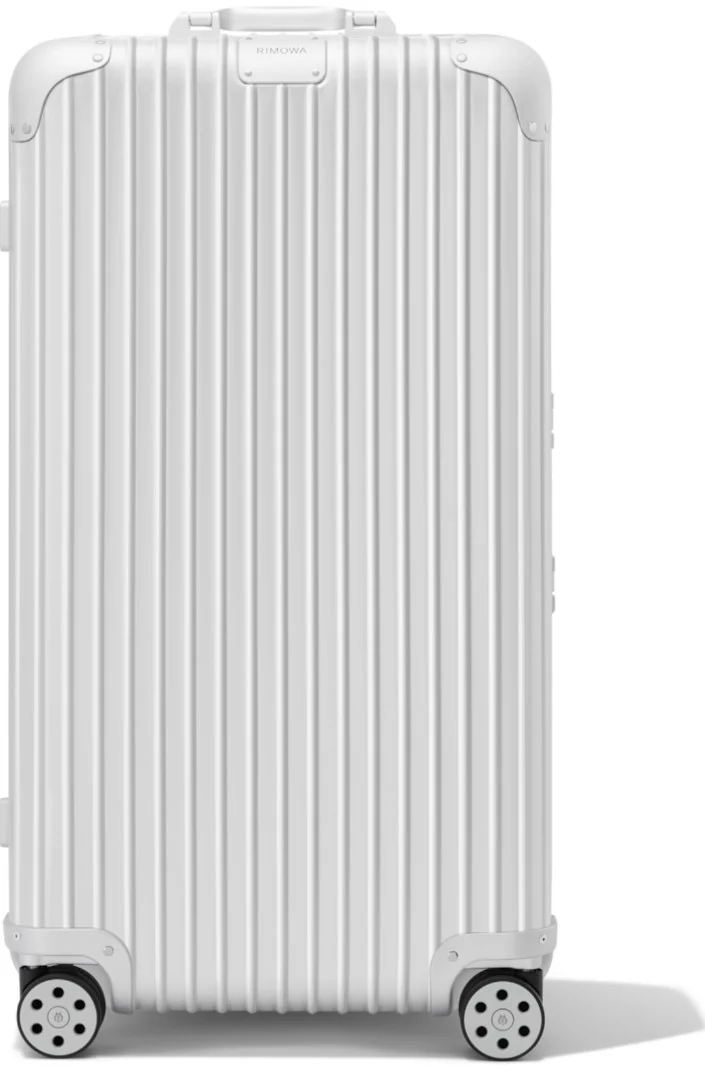 80 cm
130 L · 7 kg
IV.2Anatomie · Anatomy
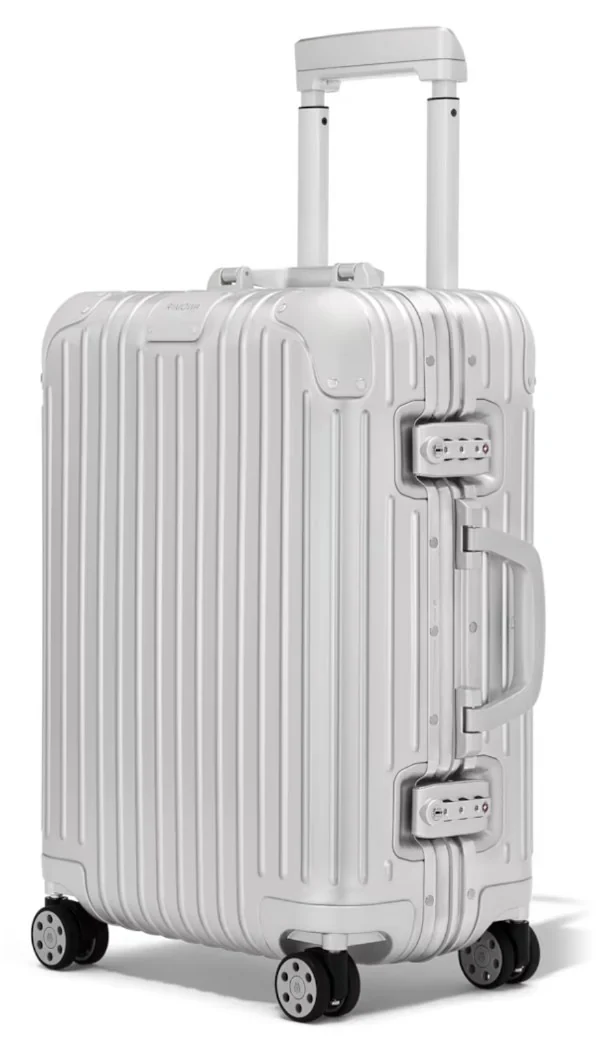
The Cabin, 55 × 40 × 23 cm with wheels and handles, 4.3 kg, 35 litres. RIMOWA puts it at three to four days of travel.
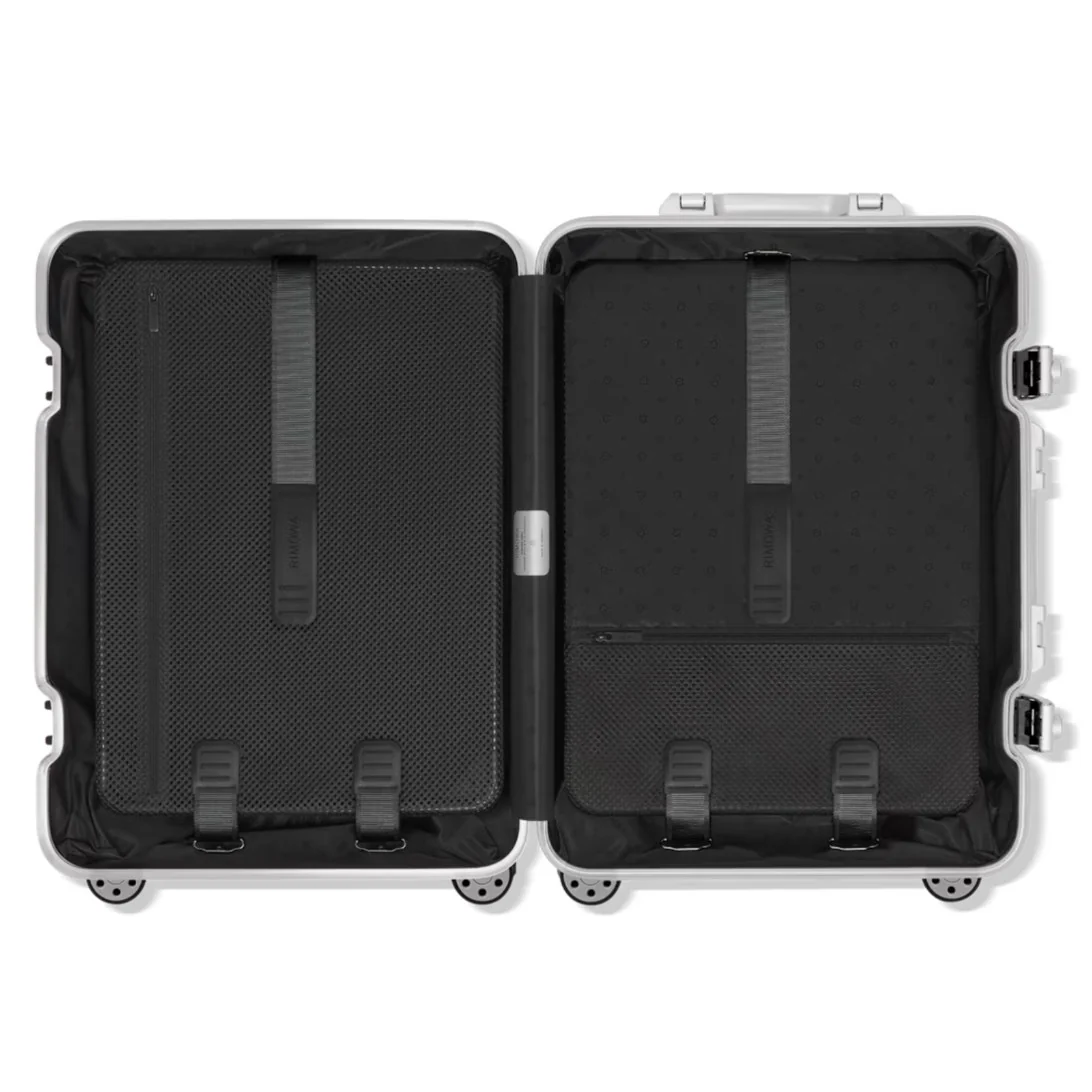
Geöffnet · OpenHeight-adjustable Flex Dividers with zipped pockets keep both halves in order. Every lock leaves the factory at 000; set your own ↗
- Telescopic handleStage-free: it stops at any height.
- Soft-return grab handleA damper lets it close slowly and silently.
- Riveted cornerCorner caps fastened to the shell.
- TSA-approved locksTwo, one at each end of the frame. Set at the factory to 000.
- Anodised aluminiumThe grooved shell.
- Multiwheel® SystemBall-bearing wheels on cushioned axles.
IV.3Oberflächen · Finishes
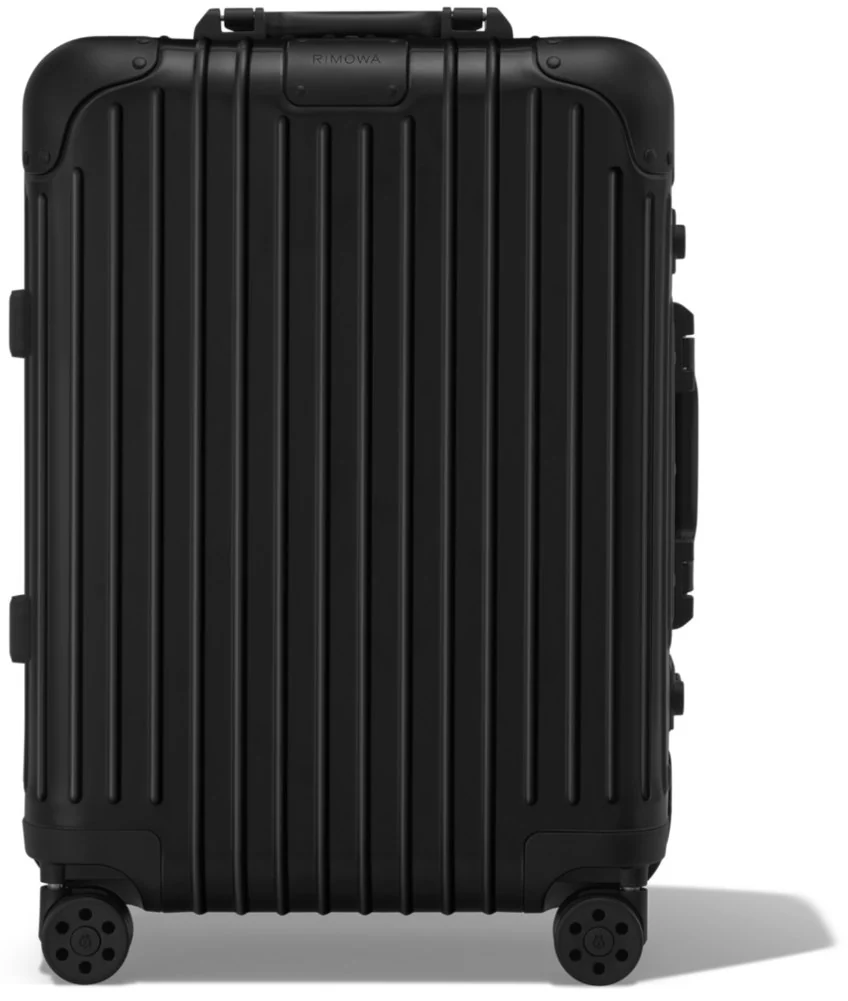
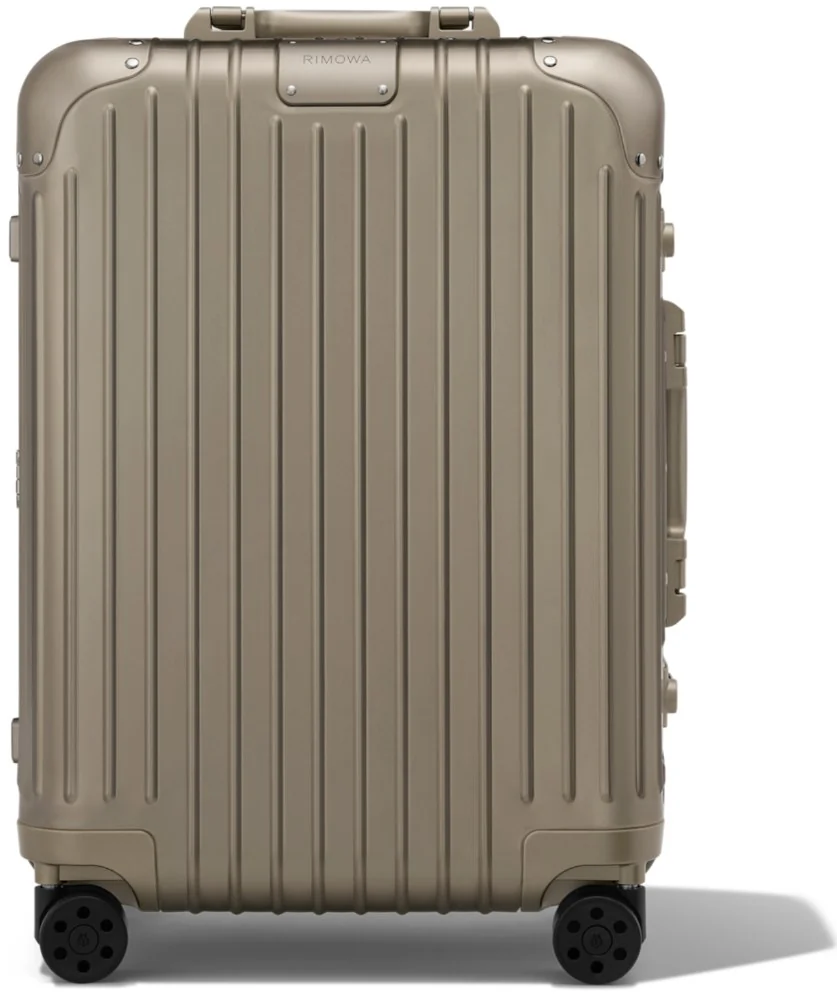
The Cabin in three anodised finishes. Every one carries the same grooves.
Die FamilieFive collections
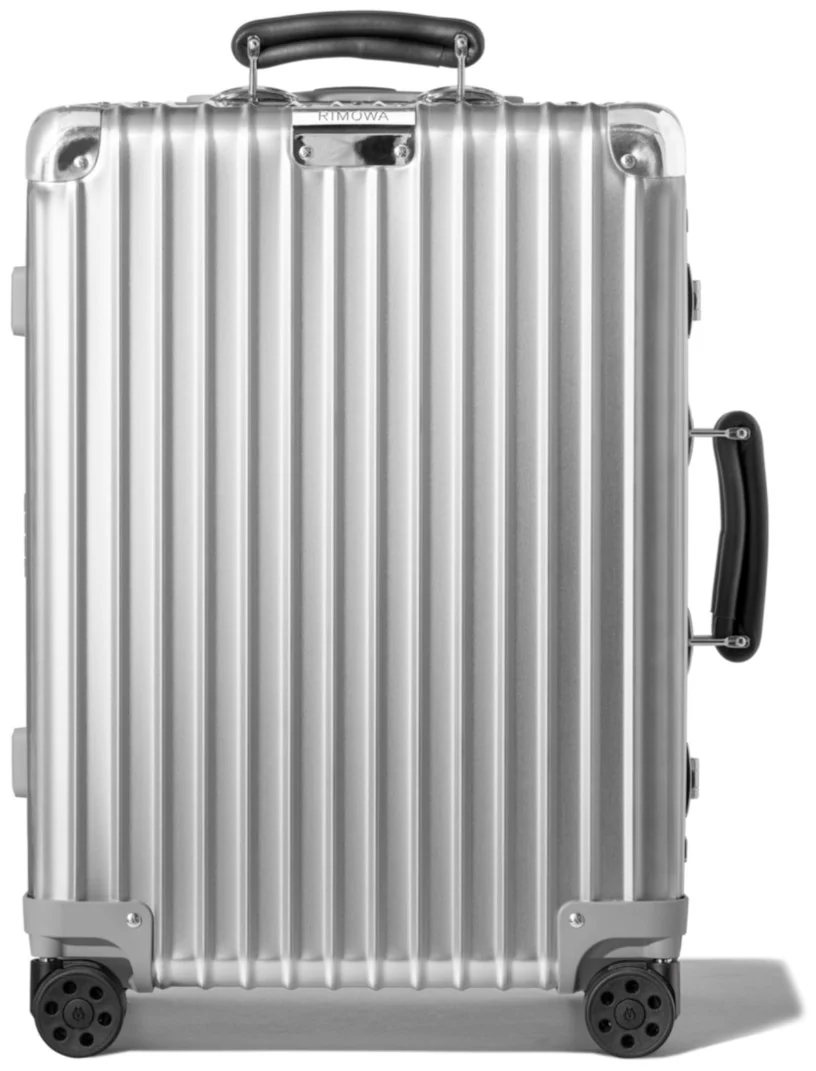
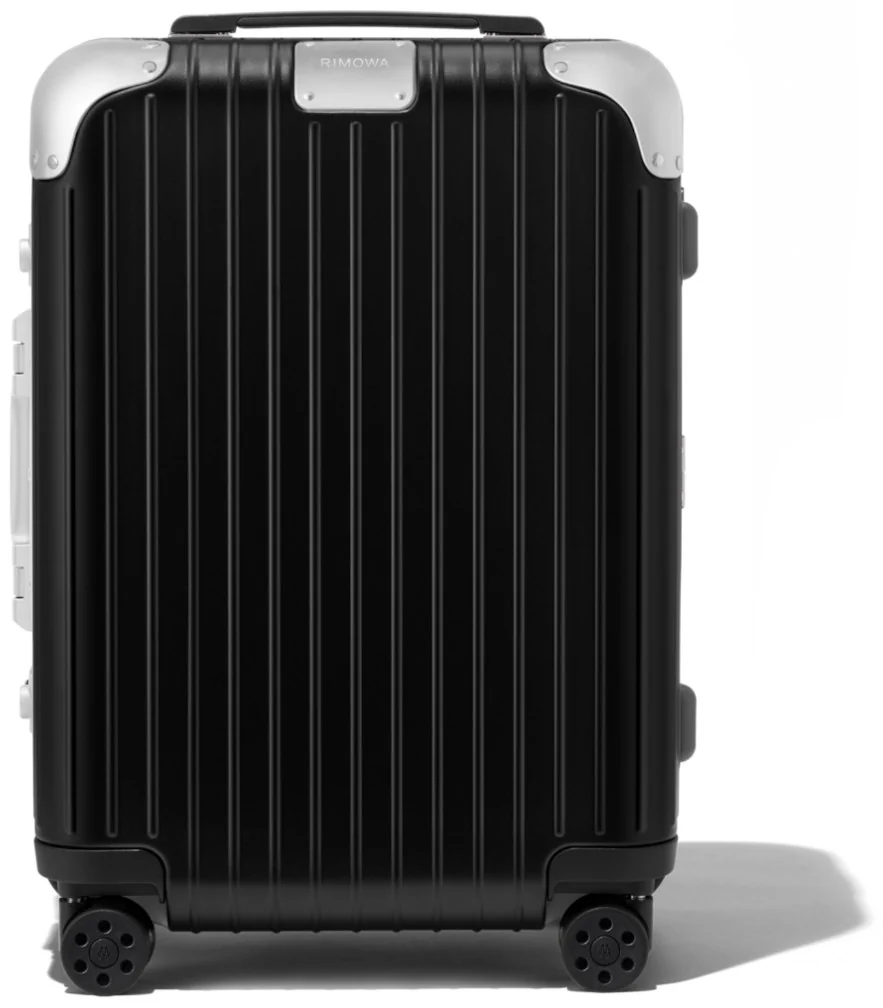
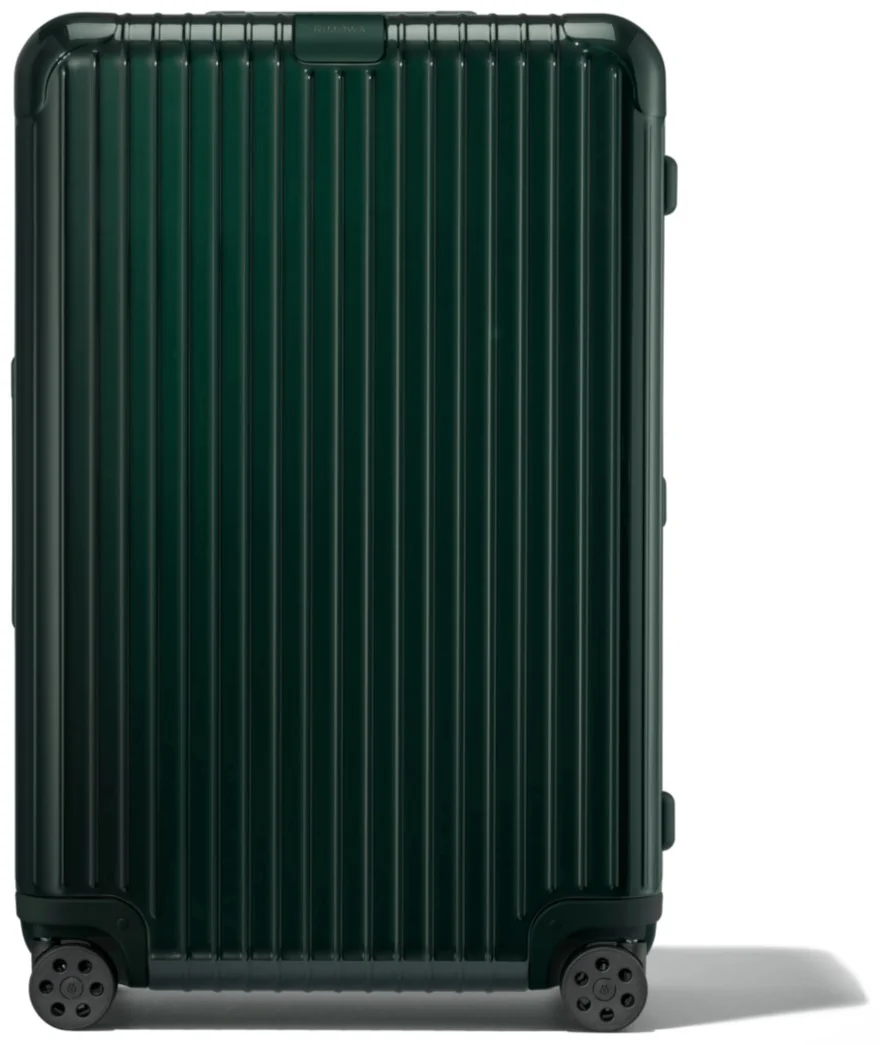
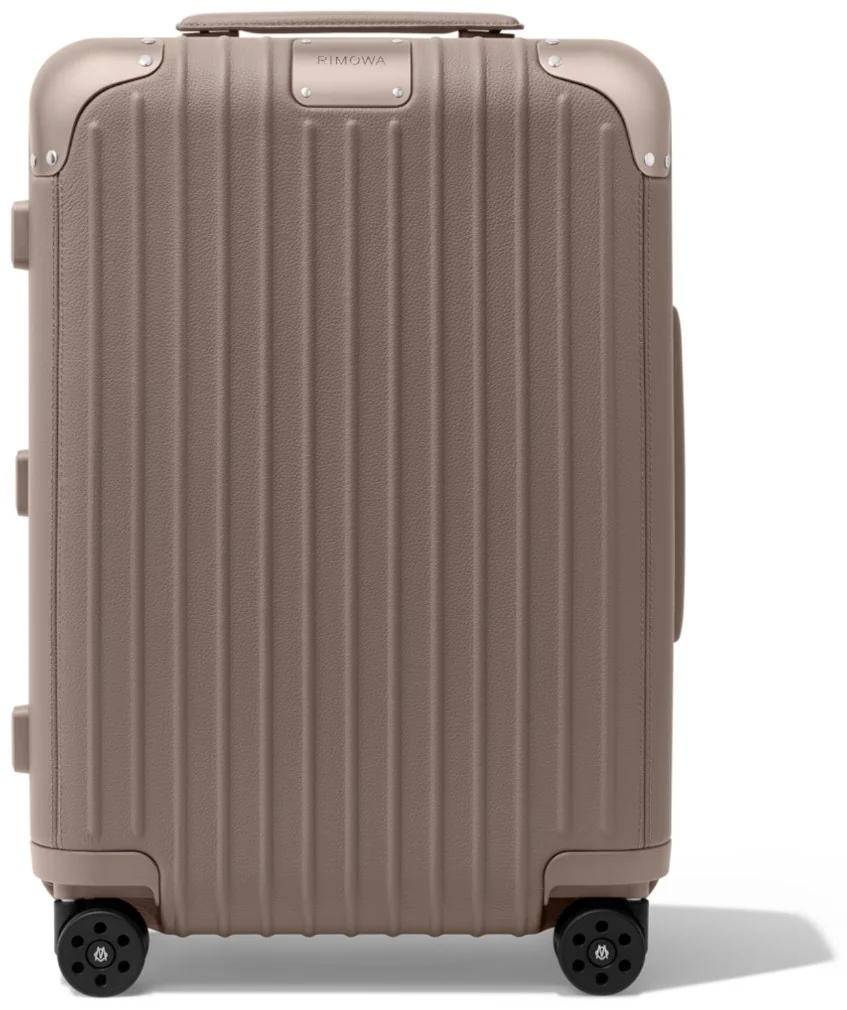
In aluminium, polycarbonate and leather. Five collections, and every one still carries the grooves.
The Classic can be personalised with coloured accessories through RIMOWA Unique ↗
ÜberallThe grooves, elsewhere
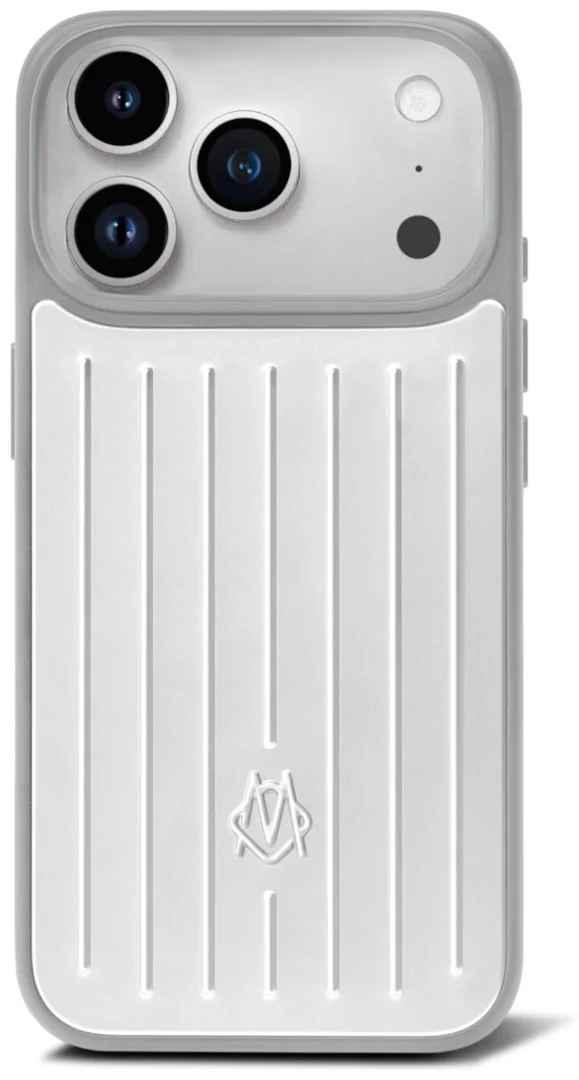
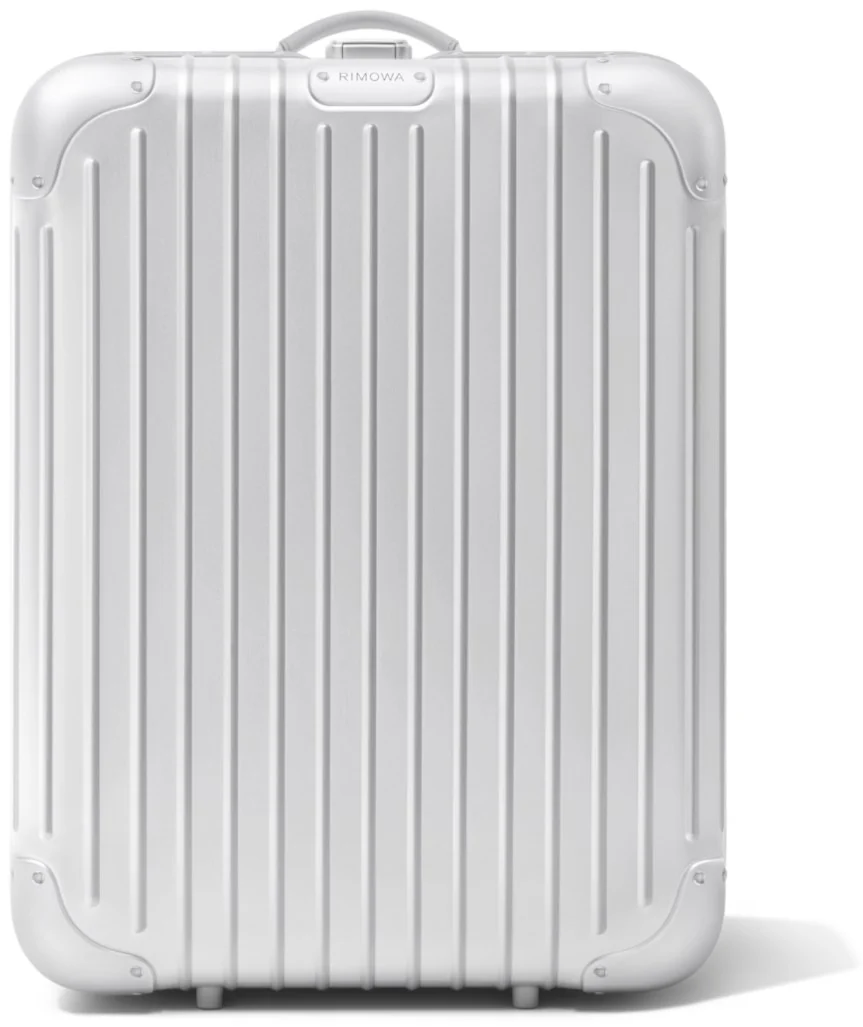
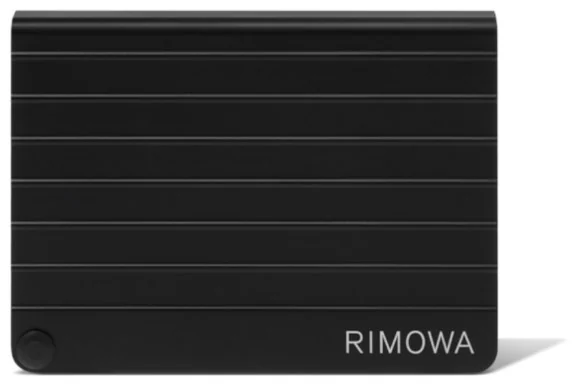
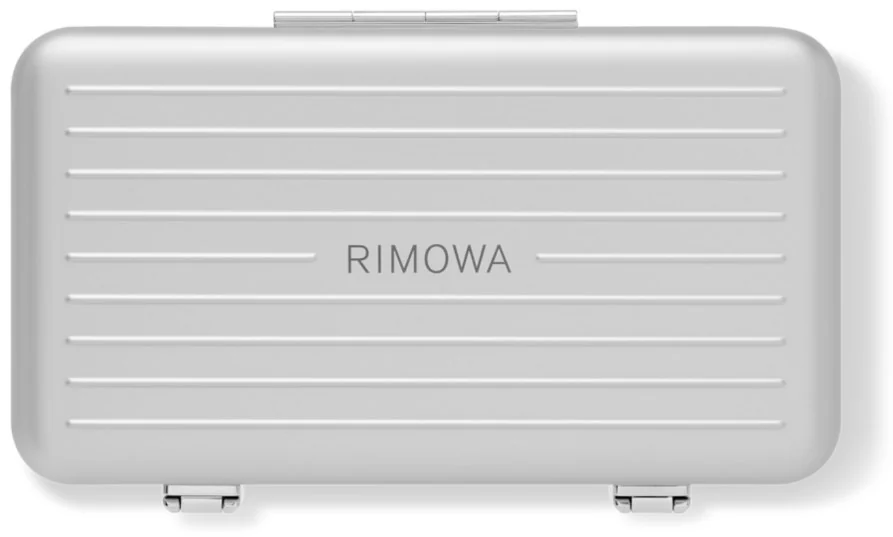
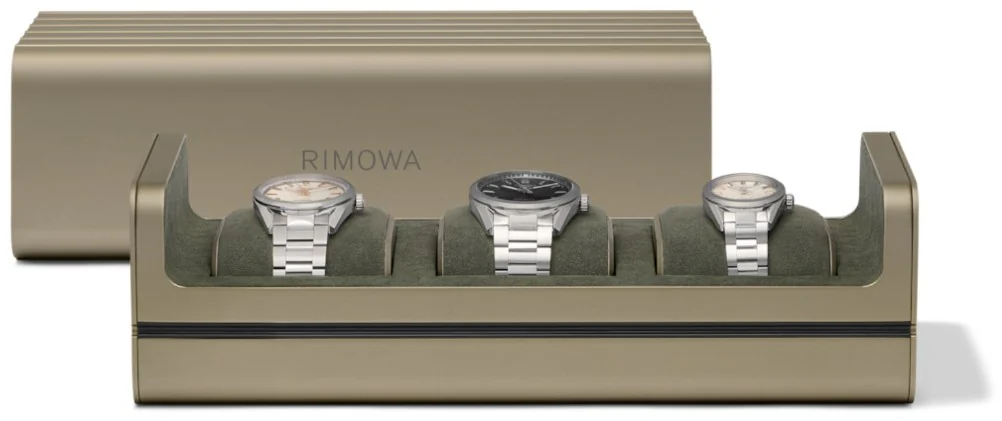
The ridges have left the suitcase: pressed into a phone case, a card holder, a case for three watches.
Product photographs: RIMOWA. Each object links to its page.
Ein LebenA lifetime
VII.1Die Garantie · The guarantee
Since 25 July 2022, every RIMOWA suitcase is guaranteed for life in everything that makes it work. The dents and scratches it leaves to you.
“Although our suitcases are made by our hands, they are defined by yours.”Alexandre Arnault, 2017
Through RE-CRAFTED, used aluminium cases come back to RIMOWA, pass a 30-point check and leave again with a two-year warranty.
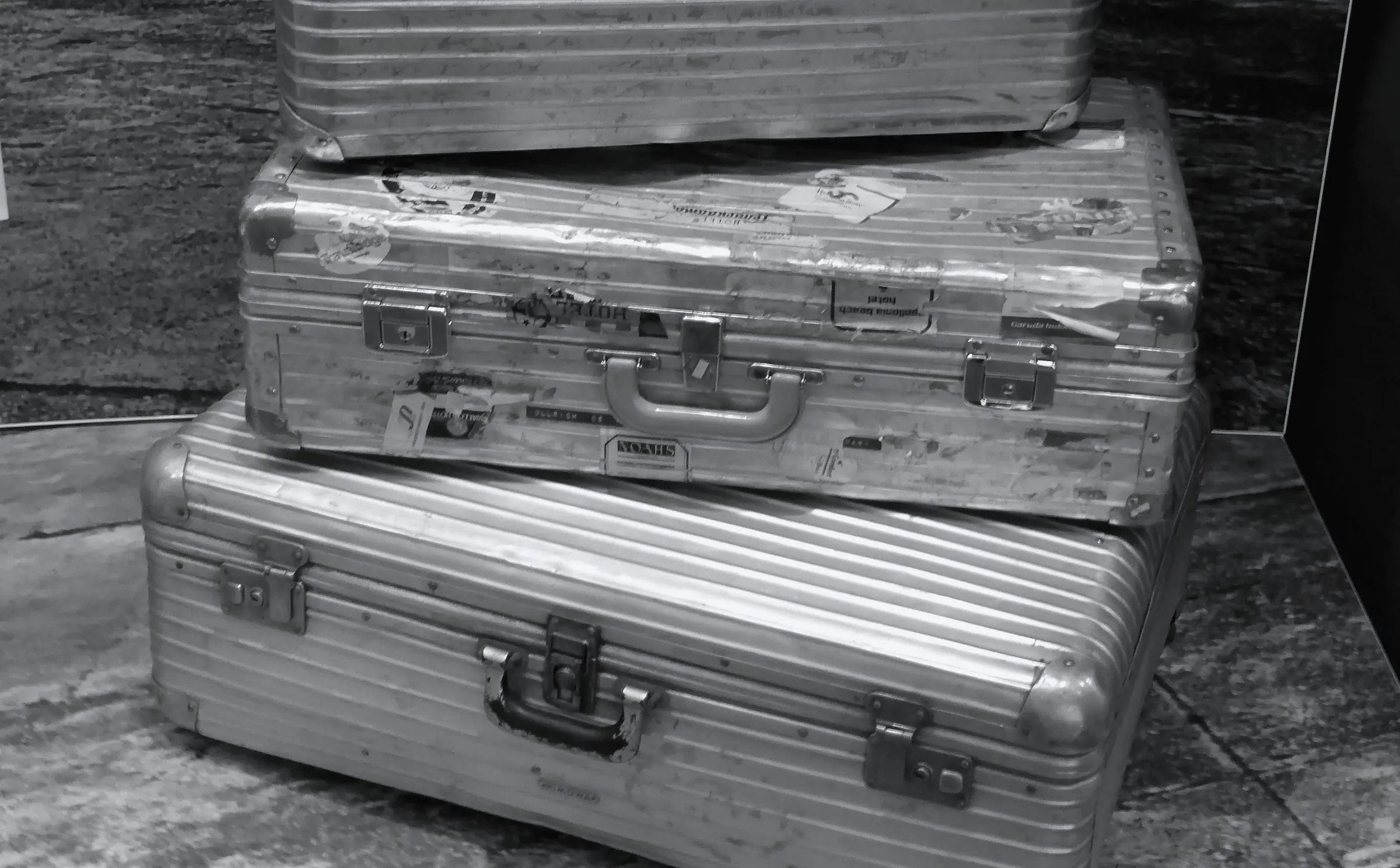
KölnCases kept in the RIMOWA museum.Photograph: 1971markus, CC BY-SA 4.0
VII.2Spuren · Marks
A new Original has no marks. Every journey adds one, and none of them is repaired.
VII.3Wo er war · Where it has been
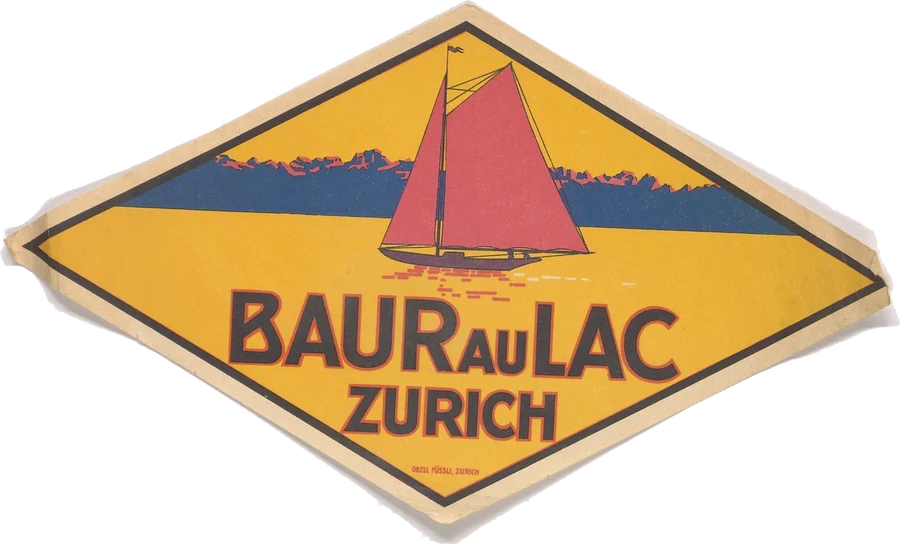
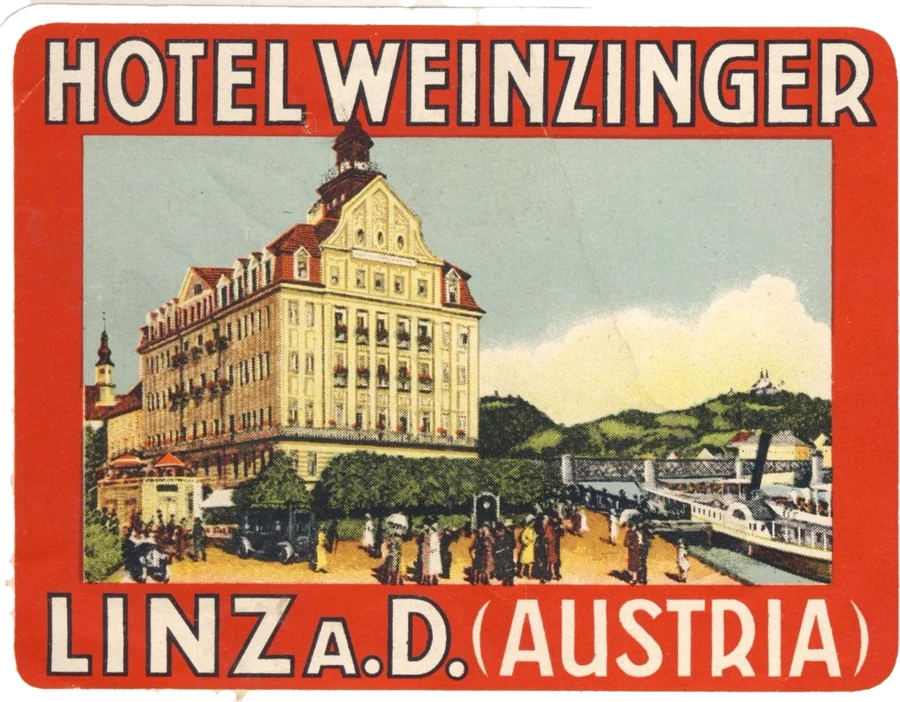
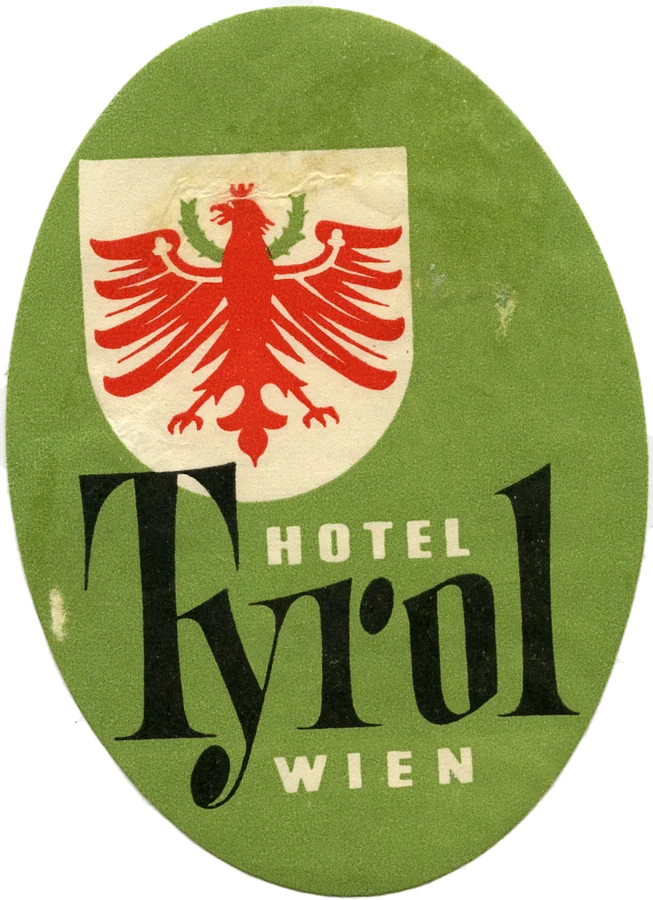
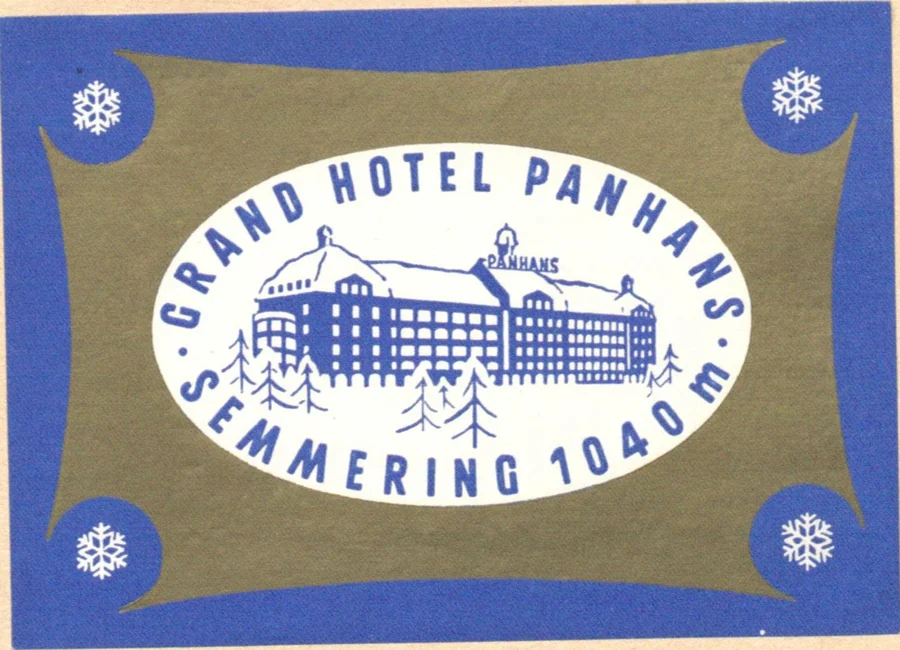
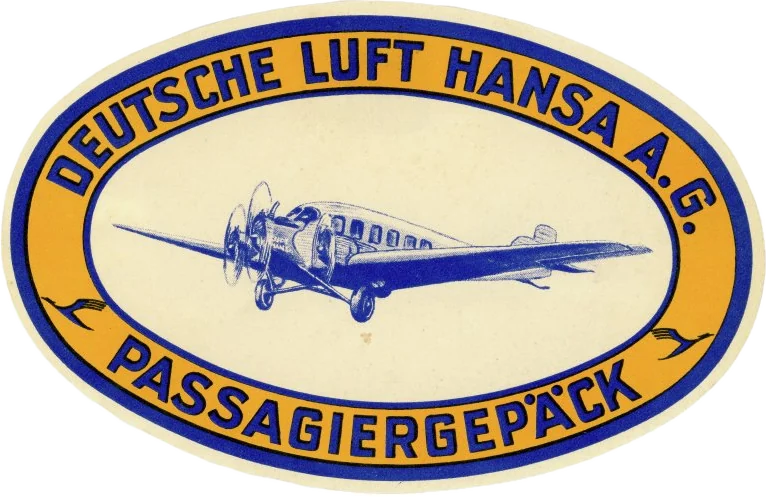
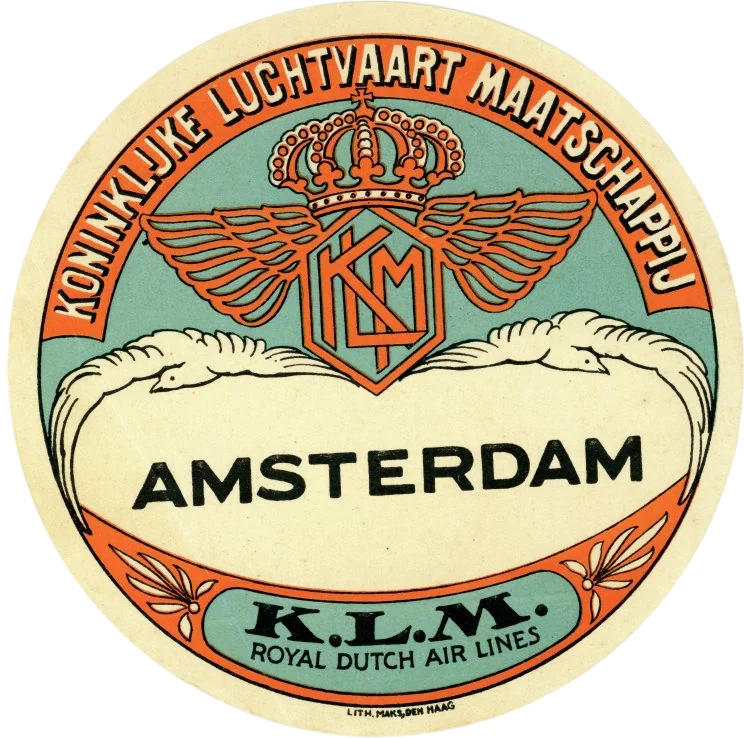
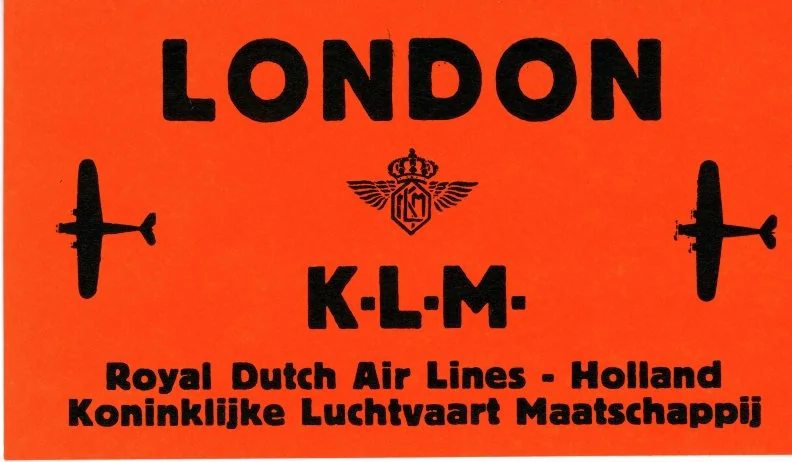
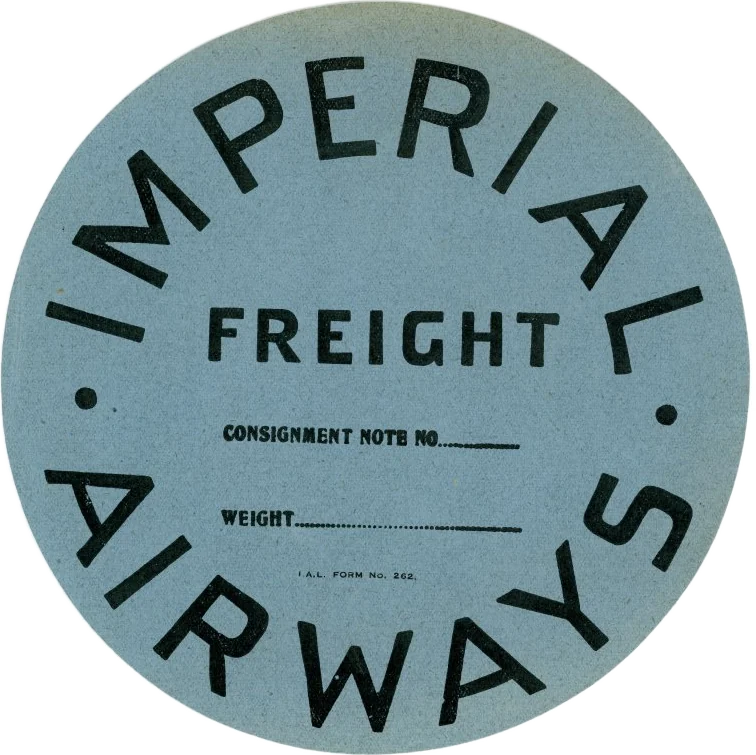
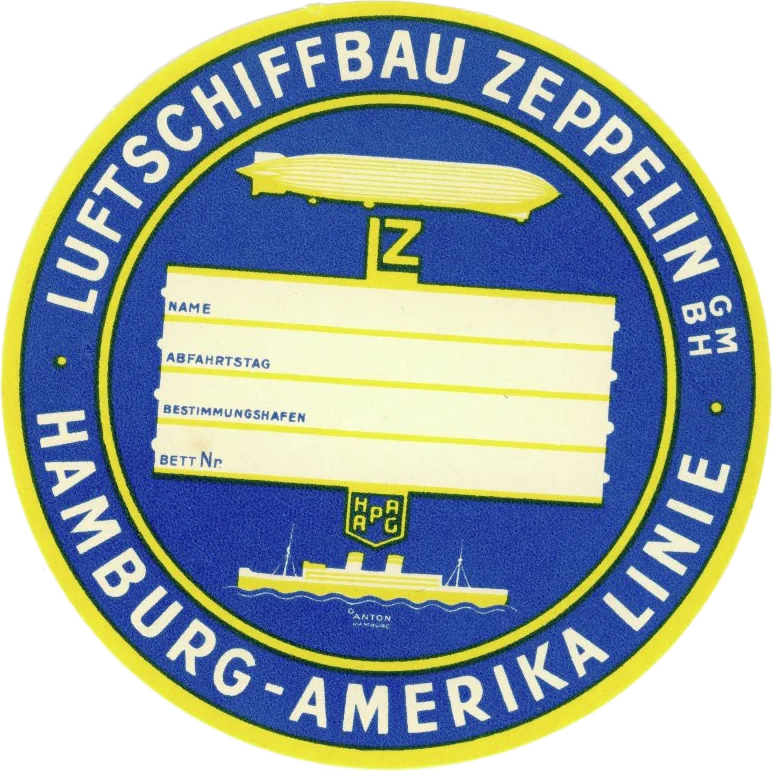
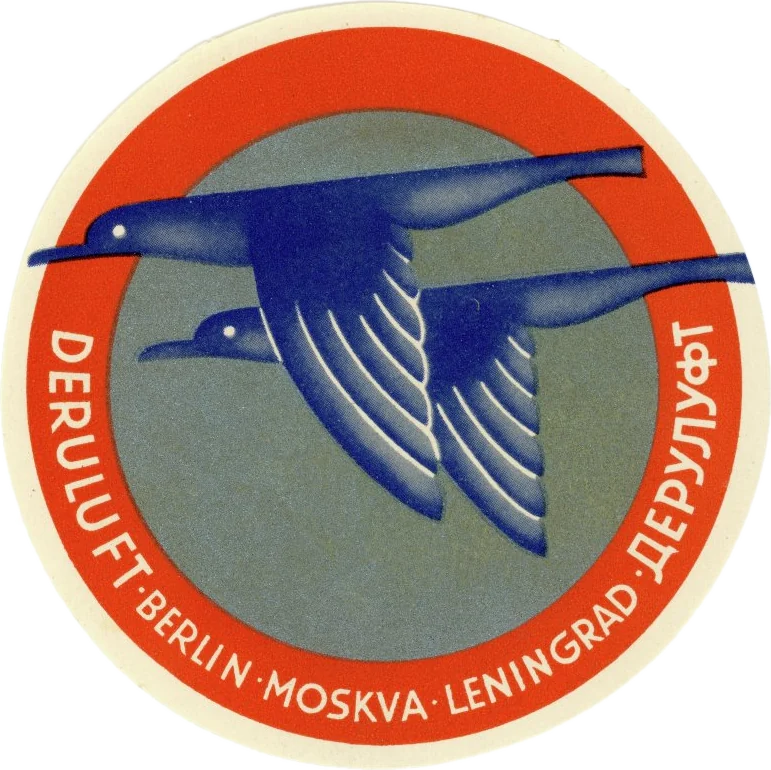
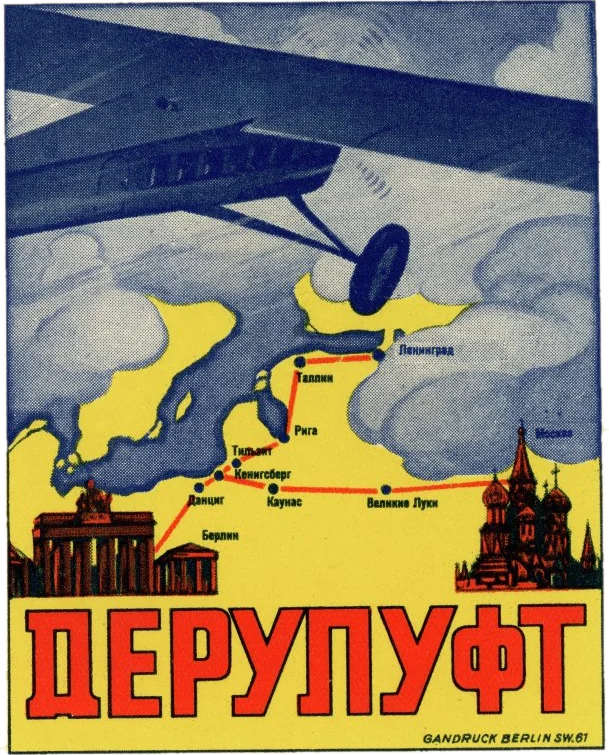
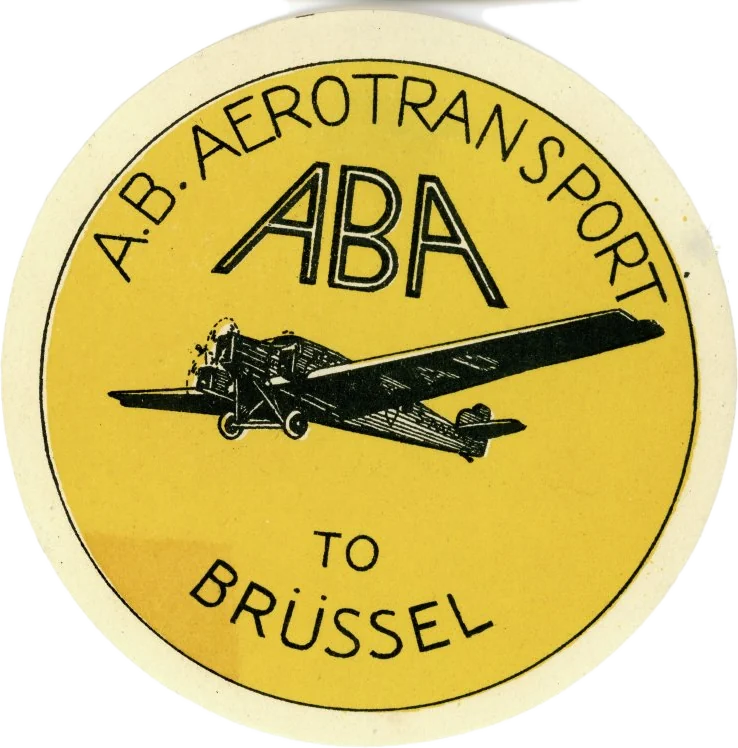
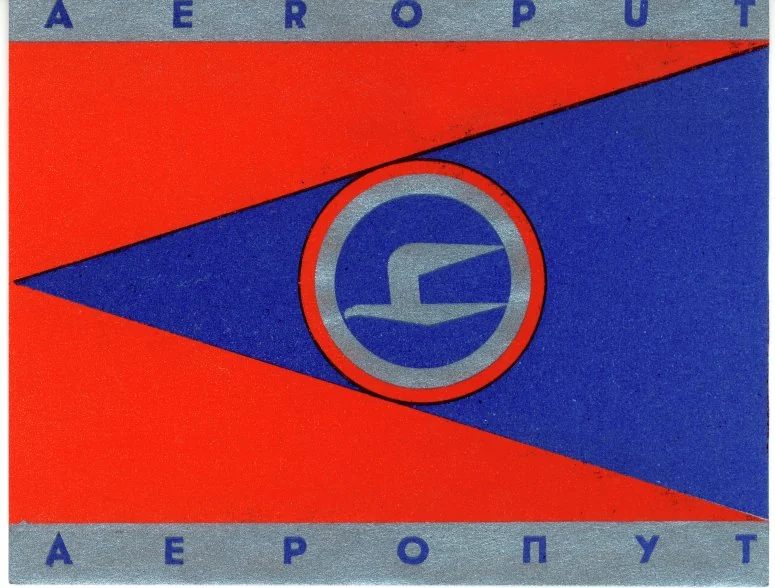
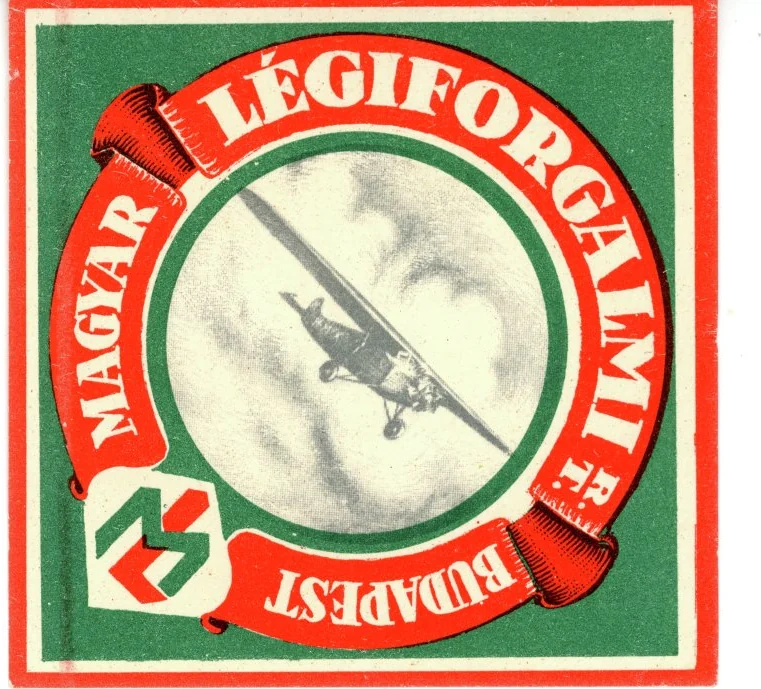
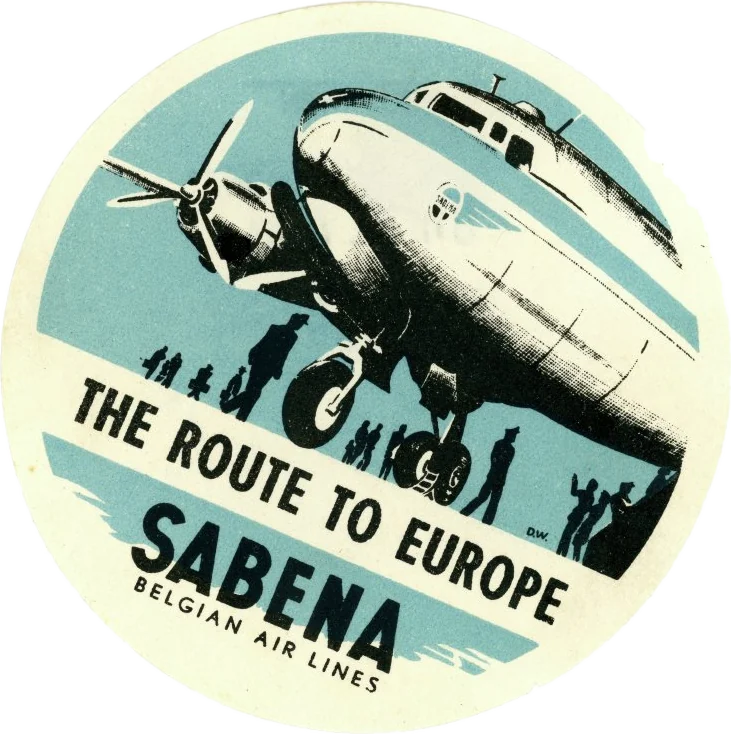
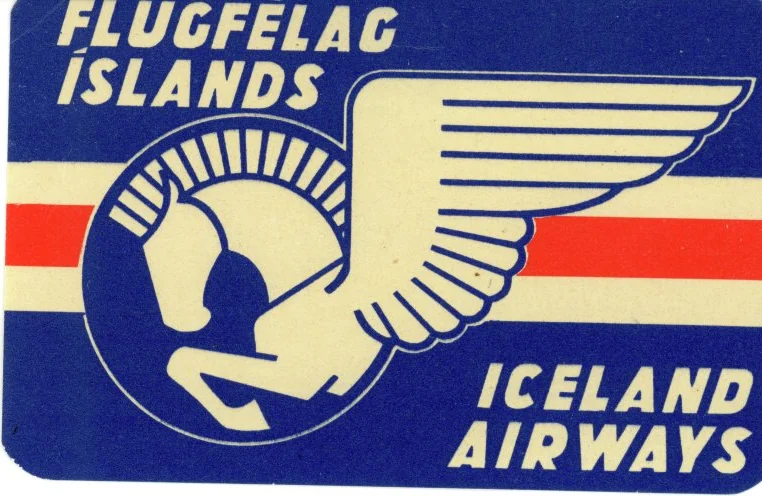
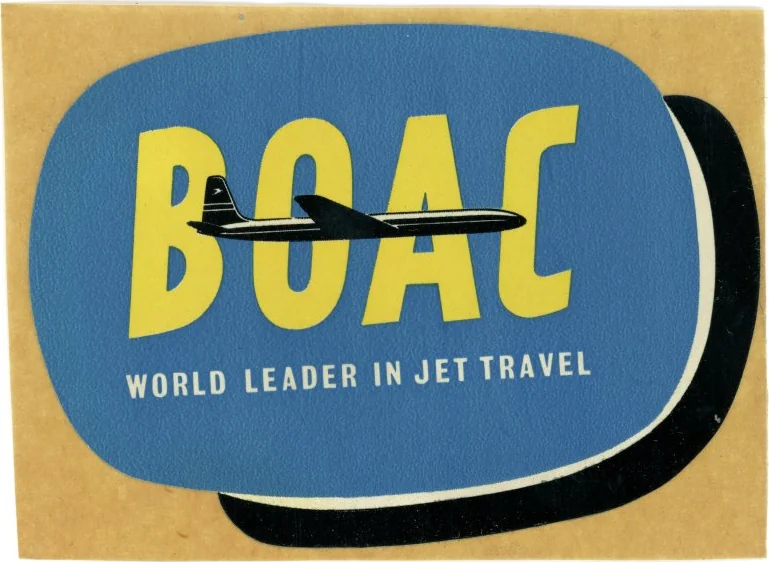
For a century a case came home wearing the names of where it had been: hotels, airlines, an airship. RIMOWA still makes stickers for its cases today.
Twenty labels, from about 1900 to 1970, shown here at one width and on the case at about a real label’s size. From the MAK in Vienna, the San Diego Air & Space Museum and Wikimedia Commons, all free of known restrictions.
Drag a label onto the case. Drag it off again to peel it off.Hold a label and drag it onto the case, or tap one to add it.



VII.4Eine Reise in die Kunst · A Journey Into Art
In 2026 RIMOWA and its Cologne neighbour, Museum Ludwig, asked six artists to turn their work into travel stickers, bound as a limited-edition book.
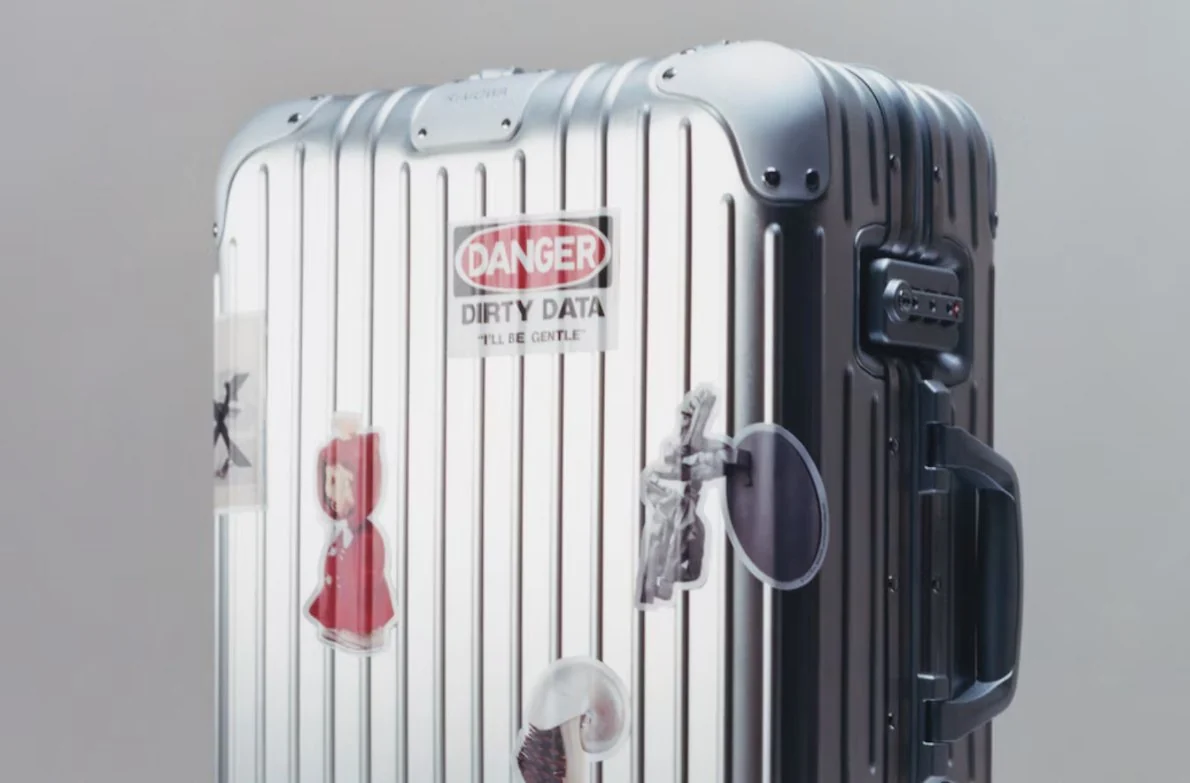
“When we travel, we leave familiar places behind and encounter different contexts, stories, and ways of seeing the world. Art, too, triggers such shifts.”Yilmaz Dziewior, Director of Museum Ludwig
Carol Bove, Wade Guyton, Roni Horn, Julia Scher, Rosemarie Trockel, Haegue Yang
Read the story on rimowa.com ↗